
Pha Trelgen Changchup Sempa: Pha Trelgen Changchup Sempa is the mythological monkey-ancestor revered in Tibetan culture.
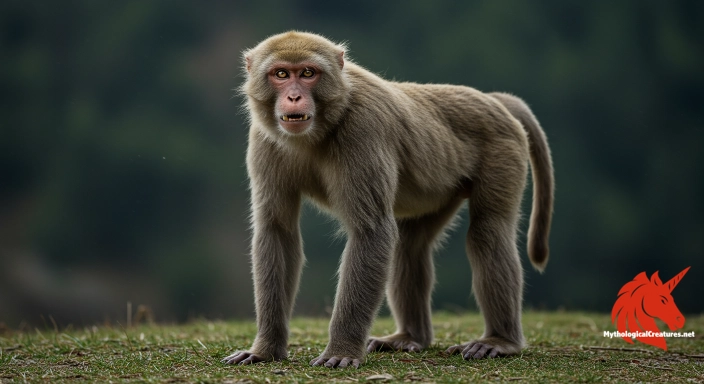
Pha Trelgen Changchup Sempa
Pha Trelgen Changchup Sempa - He is a central figure in Tibetan culture, symbolising both divine ancestry and spiritual wisdom.
the legend in five swipes.
the legend in five swipes.
When did people first speak of Pha Trelgen Changchup Sempa?
Pha Trelgen Changchup Sempa emerges as a foundational mythic figure in Tibetan culture, revered as a monkey-ancestor whose presence underscores both ancestral legitimacy and divine wisdom. Rooted in a blend of indigenous shamanistic traditions and Buddhist enlightenment, his origins reflect the confluence of spiritual narratives that have shaped Tibetan society. His story is interwoven with the heroic epics of Tibet, appearing alongside legendary figures whose exploits have echoed through centuries. Bearing a name that translates as 'Father Old Monkey Enlightenment Intention,' he symbolises both paternal lineage and transformative spiritual ideals. Early attestations of his myth arise from oral traditions among Tibetan nomads, later immortalised in Buddhist scriptures and epic ballads. His association with King Gesar and the bodhisattva Avalokiteśvara interlinks the earthly and the divine, underpinning his crucial role in maintaining cultural continuity. The narrative portrays him as a progenitor whose image has been instrumental in instilling pride and unity among the Tibetan people. Over time, his story has evolved to encapsulate themes of guidance, enlightenment, and the archetypal journey from humble origins to divine presence.
How was the story of Pha Trelgen Changchup Sempa recorded?
Accounts of Pha Trelgen Changchup Sempa have been preserved in a variety of sources that range from ancient manuscripts to vibrant oral traditions. His myth is embedded in early Tibetan literature, where epic chants and narrative recitations celebrate his role as the monkey-ancestor of the Tibetan people. Numerous Buddhist texts include allusions to his legendary exploits, often situating him alongside figures such as King Gesar and Avalokiteśvara. Diverse versions of the legend have circulated within monastic schools and local folklore, each adding layers of interpretation that reflect specific spiritual and cultural nuances. Some scriptural compilations offer a more hagiographic portrayal, emphasising his divine origin and enlightened purpose, while itinerant bards and folk storytellers highlight his earthy, approachable nature. In certain accounts, his story is interwoven with genealogical records that trace the lineage of Tibetan nobility. The coexistence of these varied sources not only illustrates the dynamic evolution of his legend but also the adaptability of Tibetan myth in different historical contexts. This multiplicity of voices has enriched his narrative, ensuring that his legacy remains both multifaceted and enduring.
Pha Trelgen Changchup Sempa: What the Legends Describe
Pha Trelgen Changchup Sempa is typically depicted with a striking blend of simian attributes and the refined grace of a deity. His face is rendered with authentic primate features, yet softened by an expression that conveys human wisdom and compassion. Artists often portray him with a thick, earthy-coloured coat of fur, symbolising his deep-seated connection to nature and the primal origins of humanity. His agile limbs and long, expressive tail serve as constant reminders of his monkey ancestry and the inherent vitality of his form. The eyes attributed to him are frequently described as luminous and penetrating, evoking an inner spark of enlightenment that transcends the ordinary. His physique is both robust and lithe, combining the lively energy of a natural creature with the dignified posture of a spiritual mentor. In many visual representations, subtle ornaments—such as intricate headwear and decorative necklaces—adorn his person, merging the sacred with the natural. Such renderings communicate his dual identity as both an ancestral figure and a vessel of divine attributes, bridging earthly existence with celestial ideals. Over centuries, artists have reinterpreted his form in diverse ways, each portrayal reinforcing his status as a timeless symbol of strength and enlightenment.
How far did the story of Pha Trelgen Changchup Sempa spread?
Across the varied landscapes of Tibet and the broader Himalayan region, the legend of Pha Trelgen Changchup Sempa acquires rich regional nuances that reflect local cultural values and traditions. In central Tibetan narratives, he is venerated as the progenitor who not only founded a lineage but also bestowed moral and spiritual guidance upon his people. In more remote Himalayan communities, his myth has been interwoven with indigenous animistic practices, resulting in depictions that are both earthy and deeply ritualistic. The iconography attributed to him may shift subtly from one locale to another, with variations in attire, accessories, or ritual symbols that mirror local artistic conventions. In certain border areas, his persona is portrayed with a playful, almost mischievous streak, serving as a reminder of the unpredictable forces in nature. Community festivals and ritual performances in these regions often celebrate his memory, adapting his story to the rhythms of agricultural cycles and local identities. These regional adaptations highlight the fluid boundaries between formal religious doctrine and oral folk traditions. Ultimately, the diverse renditions of his myth underscore the profound impact of geographical and cultural variation on the evolution of spiritual narratives.
Is Pha Trelgen Changchup Sempa unique, or found elsewhere?
The myth of Pha Trelgen Changchup Sempa resonates on a broader cultural level, finding intriguing parallels with primate deities and ancestral figures in other traditions across Asia. His dual role as both an earthly ancestor and a divine incarnation is reminiscent of the legendary Monkey King from Chinese lore, whose blend of mischief and transcendence captivates diverse audiences. Similarly, the revered figure of Hanuman from Indian epic narratives exhibits a comparable fusion of agility, devotion, and spiritual might. These figures all inhabit a mythic space where natural animal characteristics meet elevated moral and mystical qualities, signifying the universal appeal of simian symbols in mythology. The themes of transformation, loyalty, and the bridging of mortal and divine realms are common threads that bind these figures together across disparate cultural contexts. In blending earthly vitality with enlightened purpose, Pha Trelgen Changchup Sempa mirrors the narrative structures seen in various ancestral myths that celebrate the origin and evolution of a people. This comparative perspective emphasises that his legend is part of a wider tapestry of mythologies where primate imagery serves as a potent vehicle for cultural and spiritual expression. His story, therefore, is not only integral to Tibetan identity but also contributes to the cross-cultural dialogue on the symbolism of animal deities and ancestral figures in myth.
Where do you see Pha Trelgen Changchup Sempa today?
Over the centuries, the depiction of Pha Trelgen Changchup Sempa has undergone a dynamic evolution, mirroring the shifting contours of Tibetan society and religious practice. In early mythic traditions, he was predominantly celebrated as a sacred ancestor whose story provided a divine foundation for the Tibetan people. As Buddhist teachings intermingled with pre-Buddhist shamanistic beliefs, his narrative absorbed diverse elements that enriched his symbolism and broadened his appeal. Over time, iconographic representations of his figure shifted from purely spiritual to incorporate more humanistic qualities, thereby making him accessible and resonant with everyday life. In recent decades, his image has been revitalised in contemporary art, literature, and performance, serving as a cultural emblem amid the challenges of modernity and political change. Modern interpretations often highlight his role as a unifying symbol, forging links between a storied past and a hopeful future for Tibetan identity. His myth has also been embraced by communities in the Tibetan diaspora, where it inspires efforts in cultural preservation and identity reaffirmation. The ongoing reimagining of his legacy in digital media, public festivals, and academic discourse underscores his continued relevance as a bridge between tradition and modern expression. The enduring appeal of Pha Trelgen Changchup Sempa is a testament to the fluidity of myth, able to adapt while remaining rooted in the collective memory of a people who cherish their ancestral heritage.
Interesting Fact
An intriguing aspect of his myth is that his name honours both his role as a paternal ancestor and his elevated status as a bodhisattva incarnation, symbolising a unique fusion of natural and divine qualities.
Mythological Treasures
Greek Myths: A field guide to the monsters of ancient Greece
Every monster here earned its place in legend, and each gets a full page of artwork and the story behind it.
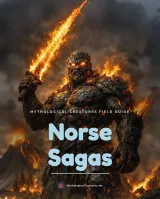
Norse Sagas: A field guide to the beasts of the Viking world
Drawn from the saga accounts themselves, with the powers, weaknesses and doom of each being set out.
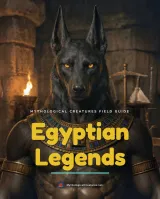
Egyptian Legends: A field guide to the gods and monsters of ancient Egypt
Guardians of the living and devourers of the dead, with the role each played in judgement.
the legend in five swipes.
For authors, artists, and makers
Created something from the realm of myth?
If your book, deck, game, or artwork draws from legendary creatures and lore, you can showcase it here in a tasteful, year-round placement.
Share your projectQuick Creature Info
Origin:
Our Mythic Legendary Rating:

Also Sometimes Known As:
Habitat:
Supernatural Powers:
Physical Attributes:
Abilities:
Behavior:
Lore:
Related Creatures, Tales or Lore
- SSun Wukong
- HHanuman
References
Discover Another Mythical Legend You May Not Have Heard Of?
Uncover the mysteries of ancient folklore and expand your knowledge of legendary beings from cultures around the world.
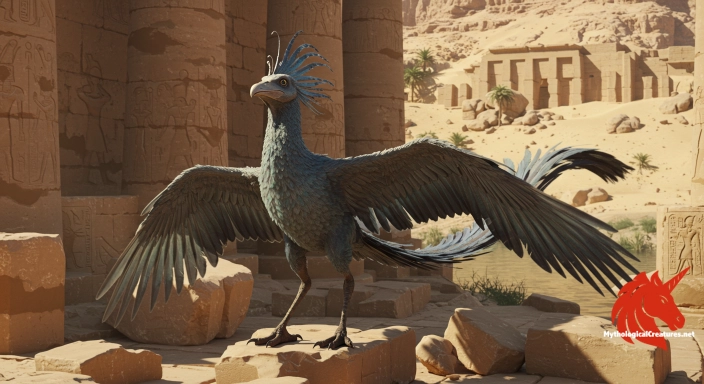
Dare to Meet the Bennu....
The Mythological Creatures Book Series
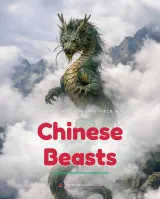
Yokai, Greek, Norse, Egyptian & Chinese. Five illustrated field guides to the creatures the old stories either warned or told you about.
Curated by the Mythological Creatures Team
Series editor: Mythological Creatures Directory
Primary desk: Asian & Pacific Myth Cycles Desk
(rev. November 2025)