
Shetani: Shetani are malevolent East African spirits known for their diverse and distorted physical manifestations, blending human and animal features.

Shetani
Shetani - Shetani play a significant role in East African cultural narratives and are a prominent subject in traditional Makonde art.
the legend in five swipes.
the legend in five swipes.
The Earliest Known Accounts of the Shetani
Shetani are enigmatic spirits entrenched in the mythological landscape of East Africa, embodying a potent mix of mystery and menace. Born from ancient oral traditions and local rituals, these entities have woven themselves into the fabric of communities across Tanzania, Mozambique, and Kenya. Their origins are as nebulous as their forms, with early attestations found in fragmented folklore that bridges the tangible and the otherworldly. Over centuries, the shetani have been depicted as powerful yet capricious beings whose presence is both feared and revered. They embody the paradox of being seen as agents of misfortune while simultaneously acting as warnings against transgressions. The cultural context surrounding these spirits has allowed them to serve as both cautionary figures and symbols of the unpredictable forces of nature. They have transcended mere superstition to become integral parts of local art and storytelling. The continuous reinterpretation of these ancient beliefs shows how deeply rooted the shetani are in the collective consciousness. Their evolving narratives provide insight into the interplay between tradition and modernity in East African society.
Where can you read about the Shetani?
The primary sources for the shetani mythos span a rich array of carved artworks, oral narratives, and documented accounts that date back generations. Indigenous storytellers preserved detailed recollections of these spirits, which were later recorded by both colonial chroniclers and modern anthropologists. The Makonde artists, most notably Samaki Likankoa and George Lilanga, played a pivotal role in translating these ethereal stories into vivid visual forms. Diverse narrative variants exist, each coloured by local traditions and the unique perspectives of different tribes throughout the region. Some narratives depict shetani as capricious harbingers of chaos, while others offer more symbolic interpretations linked to the natural world. Cycles of public fear, such as those surrounding the Popo Bawa phenomenon, have spurred renewed interest and reinterpretation of ancient accounts. Folkloric compilations and academic accounts alike demonstrate a range of descriptions and symbolic roles attributed to these spirits. Contemporary retellings have begun to merge traditional symbolism with modern existential themes, further enriching the tapestry of the shetani legend. The multiplicity of sources ensures that the myth remains dynamic, adapting to the needs and perceptions of successive generations.
What powers did the Shetani have?
Visual depictions of the shetani are as diverse as the myth itself, with many artworks presenting them as distorted amalgamations of human and animal features. Their forms are often rendered with exaggerated contours, twisted limbs, and uncanny facial expressions that unsettle the observer. Artistic representations commonly showcase features that seem almost deliberately disjointed, suggesting a departure from natural human anatomy. The eyes of these figures are frequently portrayed as either hauntingly blank or brightly luminous, adding to an overall sense of otherworldliness. Variations in size and structure abound, with some shetani appearing diminutive and mischievous while others loom large in a menacing fashion. The textures in their carvings hint at a raw, primal quality—detailed to reflect both the ruggedness of nature and the abstract qualities of spirit. Every line and curve on these depictions is laden with symbolic meaning, designed to evoke a sense of both awe and disquiet. There is a deliberate use of contrasting elements, with soft, flowing lines sometimes intertwining with harsh, angular forms. Such physical complexity mirrors the enigmatic nature of the shetani themselves, embodying the intersection of beauty and terror.
Where were the Shetani best known?
Regional interpretations of the shetani vary markedly across East Africa, each community infusing the myth with its own unique cultural flavours. In coastal areas like Zanzibar and Dar es Salaam, these spirits are often connected with night-time mischief and phenomena such as the notorious Popo Bawa raids. Inland, among various Tanzanian and Kenyan tribes, shetani are frequently associated with the wild, untamed parts of nature, serving as guardians or ominous warnings in secluded locales. The Makonde people have given the world a particularly notable artistic interpretation, where shetani are rendered in abstract yet profoundly symbolic forms. Local adaptations frequently incorporate indigenous symbols, colours, and motifs that align with regional spiritual beliefs and environmental concerns. Linguistic nuances, as seen in the singular and plural usage in Swahili, further underscore the diversity in perception across different areas. Ceremonial practices vary, and in some regions, shetani are invoked during specific rites that aim to appease or challenge cosmic forces. These varied traditions ensure that the myth is not static but is instead a living, evolving narrative that accommodates local identity and experience. As each community reinterprets the shetani, the rich mosaic of regional variation continues to expand and fascinate.
The Global Cousins of the Shetani
The shetani offer compelling points of comparison with numerous other mythological figures across global cultures, highlighting universal themes of ambiguity and transformation. They are reminiscent of djinn in Islamic lore, whose shapeshifting abilities and dual natures evoke a similar blend of allure and danger. Like many trickster deities throughout world mythology, the shetani disrupt the natural order and command a presence that oscillates between mischief and malevolence. Their capricious character also finds echoes in various European and Middle Eastern demonic archetypes, each sharing an intrinsic connection to the mysterious forces that challenge human order. The cross-cultural similarities extend to West African spirits and other indigenous entities, which similarly possess the power to both protect and menace. Each of these figures, including the shetani, serves as a vessel for conveying moral, psychological, and societal lessons. This remarkable interconnection enriches the understanding of cultural narratives and the ways in which different societies address the unknown. Comparative analysis underlines that despite regional differences, the core essence of these beings remains largely congruent. Such parallels offer a broader perspective on the human urge to personify and negotiate with the inexplicable aspects of existence.
How are the Shetani remembered today?
The narrative and artistic evolution of the shetani mirrors a broader cultural shift that bridges ancient myth with contemporary creative expression. Once confined to oral traditions and ritualistic practices, these spirits have since transitioned into prominent icons in modern art, particularly through the influential works of Makonde sculptors. Their representation has gradually expanded from cautionary folklore to complex symbols that reflect nuanced social and psychological realities. Over time, the shetani have been reinterpreted to capture the dynamism of modern East Africa—a land in constant flux between age-old traditions and the demands of modernity. Incidents of public panic, like the infamous Popo Bawa episodes, have revived interest in these myths, ensuring that they remain active within the collective imagination. Contemporary artists, writers, and filmmakers have all drawn upon the shetani myth as a means to explore themes of chaos, resilience, and the boundaries of human experience. Modern reinterpretations often fuse traditional iconography with new media, creating evocative images that speak to both heritage and transformation. This evolution underscores the timeless allure of shetani, as well as their capacity to encapsulate and comment upon the shifting paradigm of society. Ultimately, their legacy continues to serve as both a bridge to the past and a mirror reflecting modern complexities.
Interesting Fact
Modern East African art often draws inspiration from shetani, making them a dynamic symbol of cultural duality that bridges ancient mythology and contemporary creative expression.
Mythological Treasures
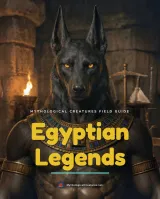
Egyptian Legends: A field guide to the gods and monsters of ancient Egypt
Guardians of the living and devourers of the dead, with the role each played in judgement.
Chinese Beasts: A field guide to the dragons and demon kings of Chinese myth
From river dragons to demon kings, with the legends that shaped five thousand years of storytelling.
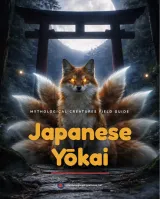
Japanese Yokai: A field guide to the spirits and demons of Japanese folklore
Fifteen spirits, with the signs to watch for and what the old tales say to do if you meet one.
the legend in five swipes.
For publishers and studios
Your next readers are already here
Many of our visitors are looking for books, campaigns, and resources that deepen their journey into myth. Position your title or setting here.
Discuss a placementQuick Creature Info
Origin:
Features:
Our Mythic Legendary Rating:

Also Sometimes Known As:
Habitat:
Supernatural Powers:
Physical Attributes:
Abilities:
Behavior:
Lore:
Related Creatures, Tales or Lore
- PPopo Bawa
- JJinn
- TTokoloshe
References
Discover Another Mythical Legend You May Not Have Heard Of?
Uncover the mysteries of ancient folklore and expand your knowledge of legendary beings from cultures around the world.
Dare to Meet the Cabeiro....

The Mythological Creatures Book Series
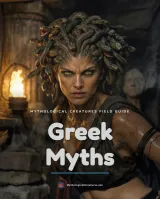
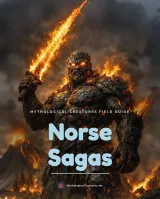
Yokai, Greek, Norse, Egyptian & Chinese. Five illustrated field guides to the creatures the old stories either warned or told you about.
Curated by the Mythological Creatures Team
Series editor: Mythological Creatures Directory
Primary desk: African & Diaspora Traditions Desk
(rev. November 2025)