
Shirime: Shirime is a bizarre Japanese yōkai known for its unique feature: a large, glittering eye in place of its anus.
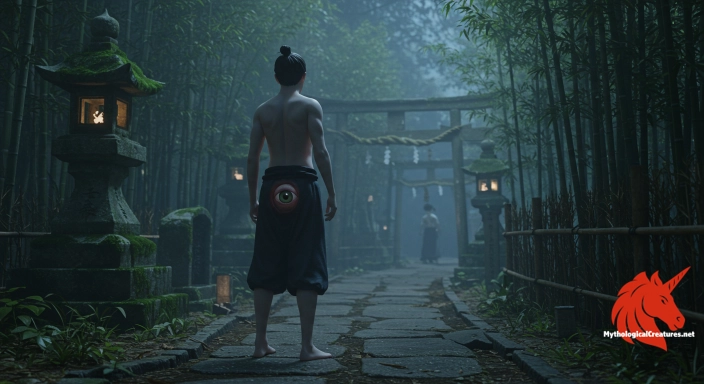
Shirime
Shirime - Shirime exemplifies the whimsical and unpredictable nature of yōkai, using shock and humor to engage with humans.
the legend in five swipes.
the legend in five swipes.
The Origin Story of Shirime
Shirime is a bizarre figure from Japanese folklore whose very name, meaning 'buttocks eye', immediately captures the imagination with its blend of humour and uncanny strangeness. It emerged from a period when supernatural tales thrived alongside everyday life, encapsulating a playful challenge to conventional expectations. The earliest attestations of Shirime appear in Edo period narratives where yōkai were as much an expression of cultural provocation as they were omens. Its peculiar form and unexpected presence were embraced in a cultural atmosphere that celebrated both the macabre and the mirthful. Folklore surrounding Shirime reflects a society willing to rework the contours of taboo, turning bodily anomalies into a source of artistic expression. Traditional storytellers and artists found in Shirime a subject that symbolised the unexpected intersections of the human and the supernatural. The creature’s origins are wrapped in layers of myth, inviting speculation about whether it served as a subtle reminder of life’s absurdities. Over time, Shirime has come to exemplify the unpredictable and transformative nature of Japanese myth, securing its place in both literary and visual traditions.
Shirime: How the Tale Was Told and Retold
The core narrative of Shirime is recounted in tales where a lone samurai is startled during a nocturnal journey to Kyoto. In one famous account, the samurai hears a mysterious call and, upon turning, sees a man disrobing and presenting his bare posterior in a most unconventional fashion. It is at that moment when a sparkling eye unfurls in place of the expected form, creating an image that is as bewildering as it is memorable. Various traditional texts and oral histories have preserved this story, each adding subtle nuances to the encounter. Some versions stress the comic undertone of the spectacle while others suggest a deeper, more enigmatic symbolism embedded in the creature's unique trait. Notable artworks, especially those by the celebrated haiku poet Buson, helped disseminate the legend through his evocative yōkai paintings. The account has travelled through generations via written compendia, folklore gatherings, and theatrical retellings. Over centuries, the narrative has been retold and adapted, resulting in a patchwork of story variants that enrich the lore surrounding Shirime. Occasional embellishments in these primary sources hint at additional layers of meaning, blurring the line between mischief and mysticism.
Shirime: Physical Form and Supernatural Powers
Visually, Shirime is depicted as a humanoid entity whose most arresting feature is the unexpected placement of a luminous eye where one would conventionally expect the anus. Its figure is rendered with a human-like form that becomes surreal through this bizarre anatomical anomaly. The eye itself is often illustrated with a sparkling, almost ethereal quality, drawing the viewer’s attention to its otherworldly nature. Some depictions highlight a smooth, unblemished countenance juxtaposed with the striking detail of the eye, thereby creating a disconcerting blend of the ordinary and the extraordinary. Artists have sometimes adorned the creature in traditional clothing, which emphasises its connections to the historical period from which it sprang. The bodily form of Shirime is portrayed with a degree of elegance, suggesting that its unusual feature is not merely grotesque but also intriguingly playful. Variations in artistic renditions can be seen in the size and placement of the eye, with some illustrations lending it an almost gem-like quality. This recurring motif of bodily inversion serves as a visual metaphor for the subversion of natural order. The detailed physical descriptions in art and literature continue to fuel debates about the symbolic significance of Shirime’s most curious attribute.
The Geography of the Shirime Legend
While the legend of Shirime is firmly rooted in Japanese folklore, its portrayal has been subject to regional reinterpretation that reflects local cultural nuances. In more rural parts of Japan, the tale is often interwoven with local superstitions, where the creature is sometimes envisioned as an emissary of the natural world. Urban retellings, on the other hand, emphasise its capacity to startle and amuse a modern audience, adapting its image to suit contemporary taste. In some areas, particularly within the Kansai region, local storytellers have framed Shirime as a harmless trickster whose antics are geared more towards playful mischief than malevolence. Variations in the narrative also extend to differences in attire, gestures, or even the time of its appearance, tailoring the legend to regional aesthetics. Some folk traditions have incorporated elements of protection and warding off evil, suggesting that encounters with Shirime may neutralise more sinister forces. These adaptations highlight the fluid nature of folklore, where a single character can acquire multiple identities based on geographical and social contexts. As Shirime traversed different communities, its myth was expanded to reflect local values and the unique interplay between humour and the supernatural. Consequently, the regional diversity of the legend has enhanced its longevity and appeal across Japan.
Shirime: Related Figures Across Cultures
Shirime occupies a unique space in the pantheon of mythological tricksters, drawing interesting parallels with figures from other cultural traditions who challenge societal norms through absurdity. Its surreal appearance and role as a chaotic yet benign provocateur invite comparisons with other yōkai such as the tanuki and kitsune, both known for their shapeshifting and playful deception. Much like these spirits, Shirime blurs the boundaries between the humorous and the ominous, creating a dialogue between fear and laughter. In other world mythologies, creatures that disrupt conventional bodily boundaries or use humour as a tool of subversion can be seen as distant cousins to Shirime, underscoring a universal fascination with the bizarre. The interplay between the sacred and the profane in its anatomy resonates with broader themes seen in various trickster deities, whose antics often serve as catalysts for social commentary. Cross-cultural studies reveal that the deliberate inversion of expected norms, as exemplified by Shirime’s eye in an unlikely place, recalls the subversive humour employed by legendary figures in other traditions. Such comparative analysis not only enriches our understanding of Japanese folklore but also highlights the global human tendency to use myth as a mirror for societal transgressions. The creature’s blend of whimsy and the uncanny makes it a compelling subject for discussions on humour, taboo, and the reinterpretation of bodily symbolism.
Why does Shirime still matter?
The evolution of Shirime from an Edo period curiosity to a modern cultural icon demonstrates the fluidity and resilience of folklore. Early depictions of the creature in ukiyo-e prints and haiku art served to embed its image in the collective imagination of Edo Japan, where the fusion of art and myth was celebrated. Over time, the legend of Shirime has been reimagined to suit changing tastes, appearing in various forms of contemporary media including manga, anime, and even modern art installations. This transformation mirrors the broader trend of traditional yōkai being recast as symbols of both nostalgia and modern irony. Modern reinterpretations often soften the more frightening aspects of the legend, presenting Shirime as a whimsical reminder of the unpredictable nature of life. The creature's enduring appeal lies in its ability to evoke a sense of playful mischief while challenging the audience to reconsider the boundaries between the absurd and the sublime. In academic and popular discussions alike, Shirime is celebrated as a literary and artistic archetype that continues to inspire new generations. Contemporary artists and storytellers draw on its rich iconography to create fresh narratives that resonate across cultural divides. Its presence in festivals and pop culture underscores its status as a beloved emblem of Japan’s unorthodox mythological heritage. Today, Shirime remains a potent reminder of the dynamic interplay between tradition and innovation in the realm of folklore.
Interesting Fact
Shirime’s legacy endures in Japanese art and folklore, particularly through Buson’s celebrated paintings, which immortalize its absurd and unforgettable appearance.
Mythological Treasures
Japanese Yokai: A field guide to the spirits and demons of Japanese folklore
Fifteen spirits, with the signs to watch for and what the old tales say to do if you meet one.
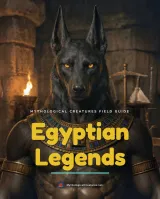
Egyptian Legends: A field guide to the gods and monsters of ancient Egypt
Guardians of the living and devourers of the dead, with the role each played in judgement.
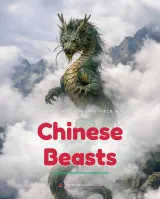
Chinese Beasts: A field guide to the dragons and demon kings of Chinese myth
From river dragons to demon kings, with the legends that shaped five thousand years of storytelling.
the legend in five swipes.
Reach myth fans
Connect your myth-driven brand with this audience
Our readers are writers, educators, gamers, and collectors who care about mythology. Enquire about a limited sponsor placement on creature pages.
Enquire about sponsorshipQuick Creature Info
Features:
Our Mythic Legendary Rating:

Also Sometimes Known As:
Habitat:
Supernatural Powers:
Physical Attributes:
Abilities:
Behavior:
Lore:
Related Creatures, Tales or Lore
References
Discover Another Mythical Legend You May Not Have Heard Of?
Uncover the mysteries of ancient folklore and expand your knowledge of legendary beings from cultures around the world.
Dare to Meet the Tutyr....
The Mythological Creatures Book Series
Yokai, Greek, Norse, Egyptian & Chinese. Five illustrated field guides to the creatures the old stories either warned or told you about.

Curated by the Mythological Creatures Team
Series editor: Mythological Creatures Directory
Primary desk: Asian & Pacific Myth Cycles Desk
(rev. November 2025)