
Tutyr: Tutyr is the revered Ossetian deity known as the Lord of the Wolves.
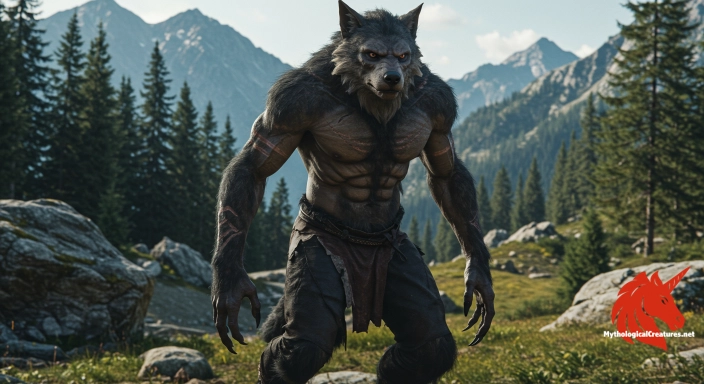
Tutyr
Tutyr - Tutyr is central to the balance between wild wolves and domestic livestock, and his favour was crucial for pastoral safety
the legend in five swipes.
the legend in five swipes.
How did the legend of Tutyr begin?
Tutyr stands as a formidable and enigmatic figure in Ossetian mythology, revered as the lord of the wolves and a guardian over the delicate interplay between nature and human endeavours. His name, which traces its roots to Saint Theodore Tiron, reveals a fascinating synthesis of pre-Christian traditions with later Christian influences. Emerging from the rugged pastoral environment of the Caucasus, his myth resonated deeply with communities whose livelihoods depended on the balance between domesticated animals and the wild. He is portrayed as a potent force whose benevolence can ward off menace when properly propitiated, yet his wrath is feared if ancient rituals are neglected. Communities celebrated his favour during the annual Tutyrta festival, a time of strict fasts and sacrificial offerings meant to stave off wolf attacks. The early attestations of his legend are woven into an oral tradition that has been passed down through generations of shepherds and mountain folk. His enduring myth encapsulates not only the unpredictable power of the wilderness but also a cultural assertion of control over nature’s forces. In every narrative, Tutyr embodies the timeless struggle and symbiosis between civilization and the wild, remaining a vital emblem in the spiritual life of the Ossetian people.
Who wrote down the legend of Tutyr?
The corpus of lore surrounding Tutyr is highly intertextual, drawing from a rich blend of oral traditions, ritual practices, and epic narratives such as the Nart saga. His character emerges in stories where he intercedes during moments of crisis, particularly when pastoral life is threatened by the uncontrolled fury of wolves. Ritual observances like the Tutyrta holiday, with its prescribed fasts and sacrificial rites, have been meticulously recorded in local folk chronicles over successive generations. These primary sources reveal a dynamic mythology in which Tutyr oscillates between benevolence and vengeance, depending on the actions of his devotees. Several variants of his myth detail a fraught relationship with Fælværa, the patron of sheep, highlighting a cosmic balance between protection and retribution. Oral recitations, passed down by elders in rural communities, add layers of complexity to his persona and offer diverse interpretations of his divine will. The interwoven narratives in the Nart saga further amplify his role as both a friend to heroes and a formidable arbiter of nature’s law. As these accounts have evolved, they provide a multifaceted view of Tutyr, reflecting how myth adapts to changing cultural and social influences.
What did Tutyr look like?
In artistic and literary depictions, Tutyr is envisioned as an imposing figure whose appearance merges human and lupine traits into a singular, awe-inspiring presence. His eyes are often described as penetrating and luminous, mirroring the untamed spirit of the wilderness that he governs. Illustrations sometimes accentuate his wild, flowing hair—with echoes of a wolf’s mane—and his attire is richly adorned with motifs of wolf pelts and natural symbols. This ambiguous form, straddling the line between man and beast, has allowed storytellers to portray him in varied ways that capture both his martial prowess and mystical qualities. His stature is frequently rendered as monumental, suggesting an otherworldly strength that overshadows ordinary human limits. The subtle integration of canine characteristics, such as slightly pointed ears or a sharp jawline, adds to the mythical allure surrounding his character. In some depictions, the interplay of light and shadow on his features conveys an inner duality, one that celebrates both nurturing protection and ferocious retribution. Over time, evolving artistic traditions have layered symbolic details onto his visage, ensuring that each rendition of Tutyr communicates the inherent tension between human civilisation and the wild forces he commands.
How does Tutyr differ by region?
The myth of Tutyr has travelled across the varied landscapes of the Caucasus, adapting to local flavours as it encountered different cultural and environmental contexts. In the heart of Ossetian tradition, his role as the master of wolves is closely tied to the lived experiences of mountain communities and pastoral societies. Neighbouring regions have reinterpreted his legend, often emphasising different aspects of his character to reflect local concerns about nature and livestock. In some areas, he is seen not only as a fearsome arbiter of wolf attacks but also as a benevolent guardian whose favour ensures agricultural prosperity. The synthesis of pagan and Christian elements, notably through his association with Saint Theodore Tiron, has fostered hybrid representations that differ subtly from one locale to another. Unique rituals and festival practices in remote villages further underscore these regional variations, with distinctive ceremonies that pay homage to his protective power. Storytellers in border regions have woven their own adaptations into the narrative, highlighting themes that resonate with local climatic and ecological challenges. Such regional adaptations, while diverse in their details, collectively preserve the myth as a living tradition that continually reconciles the wild and the civilized.
Tutyr: Shared Themes in World Myth
Tutyr’s myth invites stimulating comparisons with a host of legendary figures from disparate cultural backgrounds who also straddle the line between order and wilderness. His dominion over wolves, and by extension the forces of nature, finds echoes in the symbolic roles of deities and mythic heroes in Roman, Norse, and Turkic traditions. For instance, much like the nurturing yet formidable wolf in the Romulus and Remus narrative, Tutyr embodies the duality of protection and danger inherent in the natural world. His merging with the figure of Saint Theodore Tiron further aligns him with a tradition of warrior saints whose legends blend ecclesiastical virtues with the raw power of nature. Across various mythologies, deities that govern animal spirits, particularly those associated with predatory creatures, serve to mediate humanity’s relationship with untamable forces. The thematic resonance of his hybrid identity, combining human wisdom with animalistic ferocity, is a motif that recurs in numerous indigenous narratives. Such comparative analyses reveal a shared mythological language that speaks to a universal human endeavour to understand and harness the wild. In this way, Tutyr’s legacy not only underscores regional cultural identity but also contributes to a broader tapestry of myths that explore the intricate dance between civilisation and the untamed natural world.
Where do you see Tutyr today?
The evolution of Tutyr’s persona over the centuries reflects a dynamic interplay between ancient ritual practice and modern reinterpretation. In earlier times, his worship was intricately linked to the rhythms of agrarian life, with festivals like Tutyrta cementing his role as a guarantor of pastoral safety. As Ossetian society underwent significant cultural transformations, his depiction absorbed layers of Christian symbolism while remaining rooted in older, animistic traditions. Over successive generations, the narrative of Tutyr was re-envisioned in epic cycles such as the Nart saga, reinforcing his status as both a friend to heroes and a stern protector of the natural order. Contemporary reinterpretations, seen in literature and visual arts, tend to explore his myth in the context of environmental ethics and the enduring mystery of the wild. Modern festivals and cultural re-enactments continue to celebrate his enduring influence, connecting present-day communities with their ancestral heritage. The transformation of his image—from a local guardian spirit to a symbol resonating with universal themes of chaos and order—illustrates the adaptability of myth in the face of changing times. As reinterpretations and scholarly interest persist, Tutyr remains an evocative reminder of the profound links between humanity, nature, and the transcendent powers that govern both. This ongoing reinterpretation serves not only to maintain historical continuity but also to inspire future generations to cherish and explore their rich mythic traditions.
Interesting Fact
An intriguing aspect of Tutyr is the syncretism in his identity, as his name derives from a Christian saint, thereby merging ancient pagan beliefs with later religious traditions.
Mythological Treasures
Greek Myths: A field guide to the monsters of ancient Greece
Every monster here earned its place in legend, and each gets a full page of artwork and the story behind it.
Norse Sagas: A field guide to the beasts of the Viking world
Drawn from the saga accounts themselves, with the powers, weaknesses and doom of each being set out.
Egyptian Legends: A field guide to the gods and monsters of ancient Egypt
Guardians of the living and devourers of the dead, with the role each played in judgement.
the legend in five swipes.
For indie creators
Give your myth project a permanent home
Indie authors, artists, small studios, and makers can secure an annual, non-intrusive sponsor slot that meets readers where they explore.
Obtain more informationQuick Creature Info
Associations:
Our Mythic Legendary Rating:

Also Sometimes Known As:
Habitat:
Supernatural Powers:
Physical Attributes:
Abilities:
Behavior:
Weaknesses:
Lore:
References
Discover Another Mythical Legend You May Not Have Heard Of?
Uncover the mysteries of ancient folklore and expand your knowledge of legendary beings from cultures around the world.
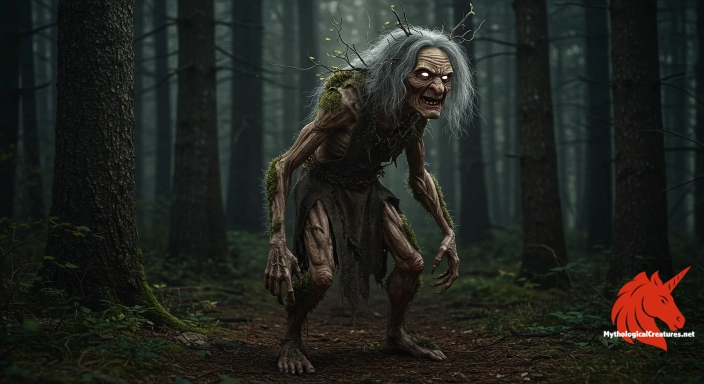
Dare to Meet the Muma Pădurii....
The Mythological Creatures Book Series
Yōkai, Greek, Norse, Egyptian & Chinese. Five illustrated field guides to the creatures the old stories either warned or told you about.



Curated by the Mythological Creatures Team
Series editor: Mythological Creatures Directory
Primary desk: Hellenic & Ancient Mediterranean Desk
(rev. November 2025)