
Tudigong: Tudigong is a Chinese tutelary deity known as the Lord of the Land, venerated as the guardian of specific localities.

Tudigong
Tudigong - Represents the spiritual guardian of a locality and plays a central role in local rites and blessings, despite being one of the lower ranked divinities.
the legend in five swipes.
the legend in five swipes.
When was Tudigong first written about?
Tudigong, known as the 'Lord of the Land', is a venerable local deity whose origins are deeply entwined with the rural traditions and community practices of ancient China. Emerging from a confluence of animistic beliefs and early folk religious rites, this deity has long served as a guardian for specific geographical locations. Over time, the legend of Tudigong has grown, with narratives often recounting how a mortal who offered great service to his community was transformed into a divine protector after death. Embedded in the fabric of Chinese cultural history, his veneration spans multiple belief systems including Taoism, Buddhism, and Confucianism. Often depicted as an elderly man with a long, flowing white beard, Tudigong embodies both wisdom and the humble spirit of the land. His presence in local temples and shrines testifies to the enduring relationship between the people and the earth they inhabit. Communities have historically looked to him for blessings related to agriculture, prosperity, and protection from natural calamities. The distinct local focus of his influence highlights a broader tradition in Chinese spirituality where the sanctity of place is celebrated. His myth has persisted through centuries, continually offering comfort and guidance to those who honour him. In many respects, Tudigong remains a symbol of the deep-rooted connection between human life and the natural world.
Which books and scrolls describe Tudigong?
The primary sources for Tudigong’s lore are manifold, extending from ancient temple inscriptions to centuries-old folk narratives. Early references to his character can be found in local annals and community records where his deeds were immortalised in stories passed down orally. Manuscripts and regional texts from the Tang, Song, and Ming dynasties provide glimpses into varied accounts of his divine role. Local temple plaques and ritual records further detail the ceremonies and offerings dedicated to his worship. Over time, different versions of his myth have emerged, with some regions emphasising his transformation from a celebrated mortal to a deified guardian. Many of these variants highlight miraculous interventions during times of natural disaster and community distress. The diversity in these narratives underscores the importance of contextual local history in shaping his character. Folk operas, temple dramas, and vivid mural depictions continue to contribute to the rich tapestry of his mythology. Each story variant, while unique, reinforces the central idea of Tudigong as a protector firmly linked to his specific land. This multifaceted tradition not only preserves his ancient origins but also adapts to the evolving cultural contexts of various communities.
Tudigong: Appearance and Abilities
Tudigong is most typically envisioned as a kindly, aged figure whose appearance radiates both dignity and humility. His long white beard and gentle, lined face are hallmark features that convey a lifetime of wisdom and benevolence. Traditional iconography often shows him clad in modest yet symbolic robes, designed with subtle earthly motifs that reflect his deep connection to nature. His attire, while simple, is adorned with minimal but significant touches that symbolise the fertility and vitality of the land. In many depictions, he is seated in a relaxed, cross-legged pose, suggesting meditation and an abiding calm. Accessories such as a traditional hat or a rustic staff sometimes accompany his image, each element carrying its own local significance. The physical portrayal is consistent in its emphasis on a venerable, approachable elder whose features suggest both compassion and resilience. Variations in artistic renditions may arise from regional influences, but the core visual details remain recognisable. Intricate features in temple sculptures and paintings reinforce the idea that his appearance is both symbolic and intimately tied to the character of the land he protects. In all representations, the aesthetic of Tudigong bridges the gap between divine majesty and humble terrestrial origins.
Which regions tell stories of Tudigong?
The depiction and veneration of Tudigong vary noticeably from one region to another, reflecting the unique local customs and historical experiences. In rural parts of Mainland China, he is often portrayed as a benevolent, almost grandfatherly figure, whose watchful presence is linked with agricultural prosperity. Urban settings, on the other hand, sometimes adapt his image to fit modern narratives, while still retaining the core idea of a protector of a localized community. In areas such as Taiwan and within overseas Chinese communities, distinctive rituals and festivals have evolved around his worship, incorporating specific regional practices and local legends. Local shrines dedicated to Tudigong might feature architectural styles and artistic embellishments that are unique to that area. Some villages recount specific local miracles or historical events attributed to him, thereby personalising his divine role. In various parts of China, seasonal celebrations and community feasts honour his contribution to both the natural environment and human affairs. The methods of offering worship—ranging from simple incense burning to elaborate processions—also reflect local spiritual sensibilities. These regional variations highlight how the ancient myth adapts to contemporary community identities while preserving its timeless essence.
Tudigong: Similar Beings in World Folklore
Tudigong’s role as a guardian of specific places finds interesting parallels in diverse cultural traditions across the world. The ancient Roman concept of the genius loci, for instance, similarly embodies the spirit of a particular location and its inherent character. In Japanese Shinto tradition, local kami serve as protectors of natural landmarks and communities, echoing the protective presence of Tudigong. Comparable to the Celtic land spirits revered in various European folklores, Tudigong represents the universal human tendency to personify the forces of nature. Such parallels underscore a shared reverence for the land that transcends cultural boundaries, highlighting the importance of place in human spirituality. Despite distinct iconographic differences, the underlying concept of a guardian spirit dedicated to a localised area persists in these traditions. In many ways, these deities serve as a bridge between the material world and the sacred, offering comfort and guidance. Ritual practices surrounding such spirits often invoke communal solidarity and a deep-rooted respect for nature. These comparative reflections reveal that whether through the lens of Eastern or Western traditions, the veneration of local deities such as Tudigong speaks to a universal need to honour the natural world. Ultimately, these cultural parallels enrich our understanding of how communities across the globe imprint their values onto the landscape around them.
Where does Tudigong appear in films and games?
The historical evolution of Tudigong illustrates a narrative that has adapted gracefully to the shifting sands of time. From his early roots as a local spirit immortalised in ancient folk traditions to a well-established deity embedded in communal rituals, his legacy remains vibrant and influential. Integrating elements of Taoism, Buddhism, and Confucian ethical thought into his character, Tudigong has continually absorbed and reflected the evolving concerns of society. As Chinese communities have modernised, his image has likewise found resonance in both rural temples and urban shrines, ensuring a continuity of tradition amid rapid change. In contemporary society, his worship often forms a crucial part of local festivals, community gatherings, and even digital portrayals that bridge ancient myth with modern creativity. Modern interpretations tend to cast him as a symbol of enduring local identity and environmental stewardship, a role that is increasingly relevant in today’s world. His adaptation to modern cultural practices echoes a broader trend of traditional deities being reimagined to address contemporary social and ecological issues. The ongoing veneration of Tudigong offers not just a link to the past, but also a roadmap for maintaining community cohesion in the face of urbanisation. His timeless presence reinforces the message that spirituality can provide stability and meaning even in a rapidly changing world. Thus, the legacy of Tudigong continues to evolve, merging ancient wisdom with modern-day aspirations for harmony with nature.
Interesting Fact
An interesting aspect of Tudigong is that he is often the deified form of a historical local figure celebrated for his contributions to the community, resulting in a unique blend of ancestral reverence and divine guardianship in Chinese folk tradition.
Mythological Treasures
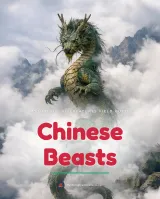
Chinese Beasts: A field guide to the dragons and demon kings of Chinese myth
From river dragons to demon kings, with the legends that shaped five thousand years of storytelling.
Japanese Yōkai: A field guide to the spirits and demons of Japanese folklore
Fifteen spirits, with the signs to watch for and what the old tales say to do if you meet one.
Greek Myths: A field guide to the monsters of ancient Greece
Every monster here earned its place in legend, and each gets a full page of artwork and the story behind it.
the legend in five swipes.
Support the directory
Promote your myth project and fund more research
Sponsor placements help keep this directory growing and free to use while giving your work a focused, relevant audience.
Learn how sponsorship worksQuick Creature Info
Features:
Associations:
Our Mythic Legendary Rating:

Also Sometimes Known As:
Habitat:
Supernatural Powers:
Physical Attributes:
Abilities:
Behavior:
Lore:
Related Creatures, Tales or Lore
- CCity God
- LLandlord God
References
Discover Another Mythical Legend You May Not Have Heard Of?
Uncover the mysteries of ancient folklore and expand your knowledge of legendary beings from cultures around the world.
Dare to Meet the Abumi-guchi....
The Mythological Creatures Book Series
Yōkai, Greek, Norse, Egyptian & Chinese. Five illustrated field guides to the creatures the old stories either warned or told you about.
Curated by the Mythological Creatures Team
Series editor: Mythological Creatures Directory
Primary desk: Asian & Pacific Myth Cycles Desk
(rev. November 2025)