
Xaphan: Xaphan is a fallen angel and demon of the 2nd rank known for his role in the rebellion against Heaven.

Xaphan
Xaphan - Represents rebellion and the elemental force of fire within the infernal realms.
Origins & First Encounters
Xaphan emerges from a dark tapestry of celestial rebellion, embodying the fiery consequences of divine defiance. He is one of the notorious fallen angels who stood shoulder to shoulder with Lucifer during the tumultuous uprising against the heavenly order. His audacious proposal to set the very heavens ablaze stands as a stark symbol of his unyielding commitment to chaos. Ancient texts and early demonological narratives recount his role with dramatic flair, emphasising both his rebel spirit and the catastrophic implications of his actions. His origins are interwoven with themes of pride, disobedience, and the inescapable fall from grace, marking him as a cautionary figure in the lore of divine punishment. Over time, Xaphan’s legacy has been cemented as a representation of the burning, relentless power of rebellion against the divine. The cultural context of his legend reflects a deep-seated fear of the uncontrollable forces that can upend celestial hierarchy. His story not only challenges the rigid framework of heavenly order but also highlights the tragic consequences of unbridled ambition. Through these narratives, he remains an enduring emblem of the eternal struggle between order and chaos.
Source Texts & Tale Variants
The earliest accounts of Xaphan appear in medieval demonological compilations where fallen angels are meticulously catalogued. Texts from these periods depict him as a pivotal figure who once advocated for setting fire to heaven, a detail that underscores his association with pyric destruction. Multiple manuscripts and grimoires offer variants of his narrative, each adding layers to his complex persona. Some sources focus on his role in fanning the infernal flames, while others emphasise the symbolic significance of his bellows emblem. The diverse literary portrayals range from terse apocryphal mentions to elaborate narrative descriptions in later folklore. Interpolations within various manuscripts suggest that his incendiary actions were both a literal and metaphorical catalyst for Hell’s eternal punishment. There exists a notable variance in the details, with some texts presenting him as a merciless executor of divine wrath and others hinting at a more nuanced, tragic dimension. In several story variants, his abilities to manipulate fire with both his hands and his mouth are celebrated as both artistic and fearsome. Through these fragmented yet rich sources, Xaphan’s myth has been woven into the fabric of infernal lore across the ages.
Form & Powers
Visual depictions of Xaphan are as striking as the legends that surround him, often painting him as a being suffused with the very essence of flame. His eyes are frequently described as glowing like molten embers, illuminating a face marked by both angelic beauty and demonic decay. Charred, ashen skin gives way to details that evoke the texture of scorched earth, a reminder of the relentless fire he commands. Tattered wings, rimmed in fiery hues, hint at his exalted past and the remnants of celestial grace now marred by defiance. His limbs, elongated and imbued with an almost otherworldly fluidity, appear capable of fanning the infernal flames with a mere gesture. A prominent bellows emblem, either brandished or etched into his form, serves as a constant reminder of his role in perpetuating Hell’s fires. Artistic renditions vary, with some portraying him as both physically imposing and terrifyingly agile, capturing the dual essence of creation and destruction. The anatomical details skilfully merge human and monstrous traits, underscoring his position between lost divinity and demonic transformation. His entire appearance is designed to evoke a sense of awe and foreboding, where beauty and terror coexist in a single, fiery silhouette.
Regional Faces
The character of Xaphan has been variously adapted across cultures, each bringing its own unique interpretation to his myth. In European traditions, he is often cast as a central figure in the narrative of the fallen, his fiery nature closely aligned with the broader iconography of Hell. Mediterranean renditions sometimes infuse his image with echoes of ancient fire deities, blending classical mythology with early Christian reinterpretations. In northern traditions, his persona is sometimes linked to local legends of spectral fire and rebellious spirits haunting remote landscapes. Certain British folkloric traditions even recast him as a mysterious presence amid ancient ruins, symbolising a once-glorious past now reduced to smouldering embers. In Eastern European narratives, his features merge seamlessly with other demonic entities, reinforcing themes of burnt ruin and eternal damnation. Each regional adaptation underscores particular local fears and fascinations with fire, reflecting environmental and cultural experiences. Despite these variations, a common motif persists: the inexorable bond between Xaphan and the uncontrollable force of flame. This cultural malleability ensures that while his core attributes remain consistent, every tradition adds its distinctive brushstroke to the portrait of this infernal rebel.
Cultural Parallels
Xaphan’s fiery embodiment finds remarkable parallels in mythologies across the world, where fire is both a creative and destructive force. Similar to the Greek myth of Prometheus, whose defiant act of gifting fire to humanity forever altered the cosmic order, Xaphan represents a potent, incendiary rebellion against divine command. In the traditions of the Pacific, figures like Pele evoke the raw destructive power of volcanoes, drawing comparisons with his ability to incite conflagration. The duality of fire, celebrated in various cultures as a symbol of both purification and destruction, resonates deeply in his myth. Like other demonic figures in medieval European lore, his narrative encapsulates the eternal struggle between light and darkness. Comparative analysis reveals that while some cultures revere their flame-bearers as life-giving, Xaphan’s portrayal is invariably tied to the more tumultuous, punitive aspects of fire. This contrast adds to the complexity of his character, setting him apart from benevolent counterparts in global myth. His visual and thematic elements share common ground with other legendary beings, allowing for a broader interpretation of fire as a universal symbol. Ultimately, the cross-cultural examination of his lore highlights a shared human fascination with the paradoxical nature of flame.
Legacy & Modern Evolution
Over the centuries, the portrayal of Xaphan has evolved from brief, fearsome mentions in early texts to a multifaceted symbol of both defiance and destruction. Initially, his image was largely utilitarian—a relentless agent fanning the infernal flames as an extension of divine punishment. As artistic and literary traditions progressed, however, his character acquired layers of complexity, reflecting a more nuanced interplay between rebellion and tragic destiny. Renaissance and post-medieval narratives began to reinterpret his mythos, imbuing him with both a menacing and a strangely charismatic allure. In modern occult and popular cultural depictions, Xaphan is sometimes embraced as a symbol of anti-authoritarian resistance, representing the transformative power of insurgency against established order. Contemporary media, including graphic novels and films, have reimagined him in shocking new visual styles that underscore his fiery origins. The evolution in his portrayal mirrors broader shifts in societal attitudes towards traditional demonic figures, often recasting them as more complex anti-heroes rather than mere embodiments of evil. His enduring legacy serves as a bridge between ancient cautionary tales and modern explorations of rebellion, power, and transformation. Today, Xaphan continues to inspire and provoke, a reminder of the perpetual tension between creation and destruction within the mythological imagination.
Interesting Fact
Xaphan’s method of fanning the flames using his mouth and hands is a unique trait that distinguishes him from typical demonic figures.
For authors, artists, and makers
Created something from the realm of myth?
If your book, deck, game, or artwork draws from legendary creatures and lore, you can showcase it here in a tasteful, year-round placement.
Share your projectQuick Creature Info
Features:
Associations:
Our Mythic Legendary Rating:

Habitat:
Supernatural Powers:
Physical Attributes:
Abilities:
Behavior:
Lore:
References
Discover Another Mythical Legend You May Not Have Heard Of?
Uncover the mysteries of ancient folklore and expand your knowledge of legendary beings from cultures around the world.
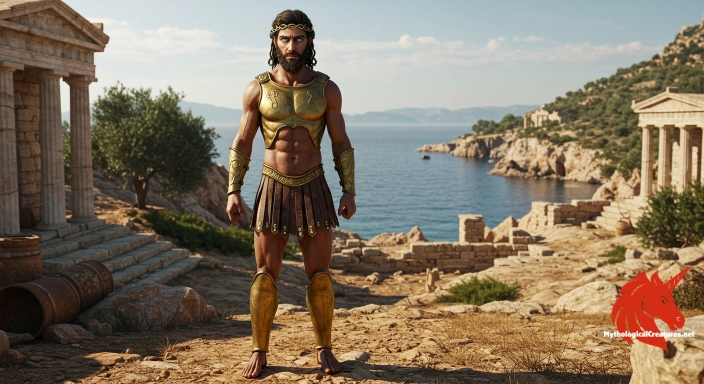
Dare to Meet the Neleus....
Curated by the Mythological Creatures Team
Series editor: Mythological Creatures Directory
Primary desk: Hellenic & Ancient Mediterranean Desk
(rev. November 2025)