
Yer iyesi: Yer iyesi is the earth spirit and deity in Tengrism, revered for its guardianship over land and territory.
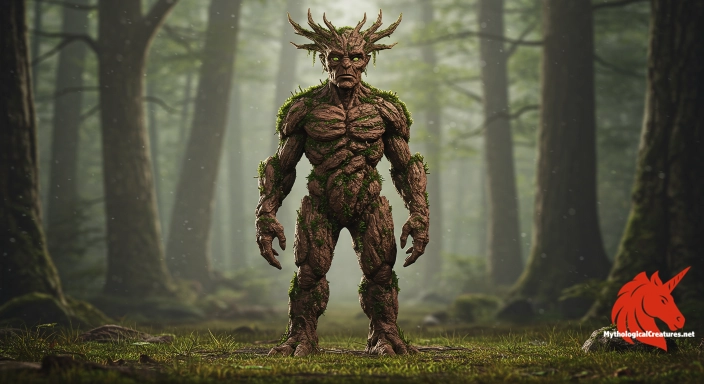
Yer iyesi
Yer iyesi - Represents the sanctity and protection of land, ensuring natural balance and prosperity within Turkic belief systems
Origins & First Encounters
Yer iyesi stands as a venerable spirit of the earth, a deity that has long embodied the intimate connection between humanity and the fertile land in Tengrism. Born from the deep-rooted shamanistic traditions of early Turkic nomads, the spirit has been revered as a guardian of both territory and the natural order. Ancient traditions depict Yer iyesi as more than a mere myth; it is an emblem of pastoral prosperity and the nurturing forces of nature. The narrative surrounding this deity is interwoven with the customs of the Tatar, Chuvash, and Sakha peoples, each adding distinct layers to its character. Early attestations of the spirit appear in oral lore and early inscriptions that celebrated its role in preserving the balance of the natural world. The name itself, combining 'Yer' for earth and 'İye' for familiar spirit, suggests a personal yet majestic force intimately linked to the land. Over generations, Yer iyesi has come to symbolise both protection and fertility, echoing the collective hopes of those who depend on the bounty of nature. In numerous cultural rituals and seasonal ceremonies, the spirit is invoked to ensure the continuity of life and the sustenance of the community. Its enduring presence in folklore testifies to the timeless human need to honour the land that nurtures us.
Source Texts & Tale Variants
Ancient records and oral histories serve as the primary sources for the lore surrounding Yer iyesi, with early mentions found in medieval manuscripts and ritual inscriptions. Diverse folklore accounts across Turkic societies provide a rich tapestry of stories that celebrate its protective and nurturing powers. Oral traditions, passed down through the generations of Tatar, Chuvash, and Sakha peoples, offer vibrant narratives that detail encounters between shamans and the divine presence of the earth spirit. Some accounts portray the deity as a shape-shifter, able to blend seamlessly with the natural elements it governs. Ritual songs and epic tales capture the dynamic character of Yer iyesi, often celebrating its role in ensuring agricultural fertility and environmental harmony. The recorded variants in literature illustrate a spectrum of attributes, portraying the spirit as both stern and benevolent. Though early textual sources may be fragmentary, the continuity of its myth in communal storytelling has kept its lore robust and ever-adapting. Versions of the myth have evolved over time to reflect local experiences and changing relationships with nature, solidifying its role as a central figure in Turkic spiritual heritage. These diverse traditions not only preserve ancient beliefs but also adapt to the cultural transformations experienced over centuries.
Form & Powers
Depictions of Yer iyesi are as varied as the landscapes the spirit is believed to protect, often drawing on the rugged beauty of the earth itself. In many representations, the deity is envisioned as a robust figure whose skin mirrors the rich tones of fertile soil, complete with features that evoke the texture of rock and clay. Artists sometimes dress the spirit in garments adorned with patterns reminiscent of leaves, vines, and natural motifs that underscore its connection to the environment. Some accounts portray Yer iyesi with a powerful, benevolent gaze and a majestic beard that hints at the ancient wisdom of the land. Other traditions imbue the deity with an ethereal quality, suggesting a form that can shift to mimic local animals such as the sturdy bull or the stealthy bear. The physical description is not fixed, allowing for an expressive range that accommodates both human-like and nature-formed characteristics. Runes, carvings, and folk art have often used symbolic elements—such as crowns of branches or adornments made of earth and water—to represent its divine essence. These imaginative depictions reflect the multiplicity of ways in which communities visualise a force that is at once immanent and transcendent, embodying the very spirit of the earth.
Regional Faces
The depiction of Yer iyesi shifts subtly across different regions, reflecting distinct cultural influences and local environments. In Tatar tradition, the spirit is often celebrated in festivals that highlight the fertility of the land and the bounty of harvests. For the Chuvash, Yer iyesi takes on a character interlaced with agrarian rites, symbolising a deep-seated connection between community life and the cyclical rhythm of nature. In Sakha culture, the earth spirit is often rendered as a mysterious force, echoing the vast, stark beauty of the Siberian wilderness. These regional adaptations manifest in varying iconographies, with some portraying the deity as a gentle protector and others as a commanding guardian of natural resources. Local rituals may involve specific chants, dances, or even offerings that differ markedly from one community to another, yet all celebrate the sacred bond with the earth. The spirit is sometimes fused with local legends that tie it to particular mountains, rivers, or groves, each symbolising a unique facet of the natural world. Such regional variations not only enhance the myth but also ensure its survival by resonating deeply with the local cultural landscapes.
Cultural Parallels
When placed alongside similar figures from other mythological traditions, Yer iyesi emerges as a resonant symbol within a global tapestry of earth deities. The Greek Gaia and the Roman Terra both offer parallel images of nurturing entities that govern the fertility and vast expanse of the natural world. Additionally, Andean traditions celebrate Pachamama as a life-giving, protective presence, underscoring the universal appeal of earth personifications. While the cultural contexts differ, each of these figures embodies the dual qualities of creation and protection, highlighting humanity’s enduring relationship with nature. Yer iyesi, with its localised traits and complex attributes, fits neatly into this cross-cultural framework as a guardian of the terrain and a sustainer of life. Comparative studies reveal that despite distinct rituals and narratives, the underlying respect for nature is a consistent theme across cultures. This interconnectedness not only underlines shared human values but also enriches our understanding of how diverse societies conceptualise the sacred qualities of the earth. Such parallels suggest that reverence for the natural environment is a common thread that transcends geographical and cultural boundaries.
Legacy & Modern Evolution
The image of Yer iyesi has undergone continual transformation, evolving from a central figure in ancient shamanistic practices to a potent symbol in modern cultural and environmental discourses. Initially, the deity was deeply embedded in ritualistic celebrations and agricultural rites that emphasised the land’s fertility and the cyclical nature of life. As historical and social contexts shifted, portrayals of Yer iyesi gained layers of allegory, reflecting broader themes of environmental stewardship and sustainable living. In contemporary times, a renewed interest in pre-modern spirituality and neo-pagan practices has revived the significance of this earth spirit. Modern artists and writers frequently reimagine Yer iyesi, blending traditional iconography with current ecological concerns and cultural identity. The legacy of Yer iyesi now extends beyond ancient folklore, becoming a touchstone for environmental activism and a symbol of humanity’s enduring quest to reconnect with the natural world. Public festivals, community rituals, and artistic expressions continue to evoke the power of the earth spirit, ensuring its presence in current cultural narratives. This evolution underscores not only a transformation in artistic and religious expression but also an ongoing respect for the timeless bond between people and the land that sustains them.
Interesting Fact
An intriguing aspect of Yer iyesi is its dual role as a divine protector and a dynamic embodiment of the earth's spirit, which underscores nature's cyclical ability to nurture and renew itself.
For indie creators
Give your myth project a permanent home
Indie authors, artists, small studios, and makers can secure an annual, non-intrusive sponsor slot that meets readers where they explore.
Obtain more informationQuick Creature Info
Origin:
Associations:
Our Mythic Legendary Rating:

Also Sometimes Known As:
Habitat:
Supernatural Powers:
Physical Attributes:
Abilities:
Behavior:
Lore:
References
Discover Another Mythical Legend You May Not Have Heard Of?
Uncover the mysteries of ancient folklore and expand your knowledge of legendary beings from cultures around the world.
Dare to Meet the Thelxinoë....
Curated by the Mythological Creatures Team
Series editor: Mythological Creatures Directory
Primary desk: Asian & Pacific Myth Cycles Desk
(rev. November 2025)