
Zalambur: Zalambur is a devil from Islamic tradition, known for presiding over dishonest and fraudulent business transactions.

Zalambur
Zalambur - Zalambur represents the corruption in economic affairs and serves as a warning against unethical financial practices.
the legend in five swipes.
the legend in five swipes.
Who first told stories about Zalambur?
Zalambur, also known by the variant Zalanboor, emerges from early Islamic demonological narratives as a uniquely cautionary figure. His origins are interwoven with the enigmatic legends of Iblis’ progeny, where he is distinguished as one of the five notorious sons. First mentioned in the hadith collections of Muslim ibn al-Hajjaj, his story was crafted to serve as a moral counterpoint to virtue in everyday dealings. He is particularly associated with the subversion of ethical commerce, presiding over dishonest and fraudulent business transactions. Over centuries, this depiction has been utilised in moral teachings to warn against the perils of unchecked greed and loss of spiritual direction. Scholars and folklorists alike have noted that his myth encapsulates the tension between material success and spiritual well‐being. Various cultures within the broader Islamic sphere have embraced his narrative as a symbol of how worldly temptations can derail inner moral progress. His lineage, shared with four equally notorious siblings, further underscores a broader cosmic struggle between integrity and vice. Ultimately, Zalambur’s enduring presence in these tales continues to highlight the complexities of human morality in the face of material temptation.
What do the old texts say about Zalambur?
The primary attestation of Zalambur is found in classical texts, notably within the accounts compiled by Muslim ibn al-Hajjaj. These early records set the groundwork by listing him among the progeny of Iblis, each assigned a specific function linked to human frailties. Beyond these concise historical entries, subsequent folklore has richly expanded upon his character, weaving numerous narrative threads that emphasise his influence over deceit in commercial practices. Some traditions vividly recount encounters with merchants who fell under his sway, succumbing to unethical shortcuts and fraudulent dealings. Over time, different story variants emerged from both written manuscripts and oral traditions, each adapting his role to local moral and social contexts. In many cases, the accounts imbue him with a dual presence—both as an overt tempter and as a subtle infiltrator of human intentions. Medieval commentaries further enriched his character by exploring the psychological dimensions of the temptations he embodies. As a subject of evolving lore, his myth bridges the gap between strict theological doctrine and the imaginative retellings of community elders. The multiplicity of sources not only serves to document his role but also reflects the broader human preoccupation with the corrupting influence of dishonest gain. Thus, the narrative of Zalambur stands as a dynamic and multifaceted testimony to the enduring power of myth in shaping moral consciousness.
How powerful did people believe Zalambur to be?
While early texts offer little in the way of concrete physical description, later folkloric traditions have elaborated on Zalambur’s appearance with remarkable detail. He is often envisioned as a shadowy, spectral being whose form fluctuates between humanoid grace and an uncanny, beast-like aspect. Visual depictions sometimes present him with slender, almost elongated features that betray an air of cunning and stealth. Artists have occasionally attributed to him piercing, smoky eyes and subtle, curved horns, elements that symbolise the deceptive allure of his nature. His skin is frequently imagined as shifting in tone—a dusky, almost burnt hue that hints at the inner corruption he represents. In some renditions, his form is cloaked in ethereal mists, blurring the boundaries between the physical and the supernatural. It is also suggested that Zalambur can adopt a benign, human guise, further facilitating his infiltration into the realm of business and trade. Such mutable characteristics have made him a versatile figure in the visual language of myth, resonating with audiences across different eras. Collectively, these embellishments serve to capture the paradox of a creature who is both enticing in appearance yet ominously reflective of moral decay.
Where in the world is Zalambur known?
Across different regions of the Islamic world, the tale of Zalambur adapts to local cultural and economic concerns, thus acquiring distinct flavours. In Arabic traditions, his role as the patron of dishonest commercial practices is underscored by vivid warnings against the corruption that wealth may bring. In Persian and Turkish lore, similar themes are interlaced with indigenous motifs of supernatural bewitchment and the capricious nature of the djinn, enhancing his mystique with elements of shape-shifting and illusion. South Asian adaptations often merge his identity with broader narratives of moral decline in the marketplace, reflecting local apprehensions about rapid economic changes. Each regional reinterpretation tends to emphasise the dangers of material obsession, portraying him as a cunning force that preys on human vulnerabilities. Local storytellers have also linked his exploits with specific historical episodes of economic exploitation, thereby grounding his myth in concrete social realities. Such adaptations reveal a strong interplay between universal themes of greed and the specific moral imperatives of diverse communities. Whether depicted through literary allegory or popular media, his character remains a potent symbol of the ethical pitfalls associated with commerce. These regional variations collectively enrich his narrative, ensuring that his legacy is continuously reinterpreted to mirror contemporary societal challenges.
What makes Zalambur different from similar figures?
Zalambur’s role as a corrupter of honest dealings finds intriguing parallels in many global mythological traditions. His association with fraudulent business practices echoes similar archetypes found in European folklore, where demonic figures often tempt individuals into moral compromise for material gain. Like the trickster spirits present in various cultures, his influence is both seductive and destructive, linking the pursuit of wealth with a deeper ethical decay. In the context of Middle Eastern and North African lore, parallels can be drawn with other supernatural entities who are believed to disrupt the natural order through deceit and manipulation. This comparative analysis broadens our understanding by revealing how distinct cultures use myth to warn against the universal dangers of avarice. Although each tradition tailors its narrative to reflect its own cultural realities, the recurring motif of a malevolent force undermining virtuous commerce is unmistakable. Such cross-cultural connections not only highlight the shared human fears surrounding economic corruption but also enrich the symbolic dimensions of these mythic figures. By standing alongside comparable entities from diverse traditions, Zalambur’s narrative invites us to explore a common allegory that spans continents and eras, underscoring the timeless battle between ethical integrity and the lure of unbridled materialism.
What happened to the legend of Zalambur?
Over the centuries, the narrative of Zalambur has steadily transitioned from strictly religious texts to becoming a powerful cultural metaphor. Initially confined to didactic tales warning against dishonest commerce, his image has broadened to encapsulate modern concerns over unethical economic practices. Medieval interpretations painted him as a tangible force operating within the tangible realm of market transactions, a representation that has proven adaptable throughout changing times. In recent artistic and literary circles, Zalambur has been reimagined as an allegorical critic of contemporary capitalism, with his malevolent traits resonating with criticisms of corporate greed. Modern portrayals often blend ancient symbolism with vivid narratives that reflect today’s complexities—drawing attention to issues of financial malpractice and ethical erosion. His enduring legacy is visible in various creative mediums, from visual art to film, where his spectral presence serves as a reminder of the perennial conflict between moral rectitude and the lure of profit. This evolving imagery allows his myth to remain relevant, serving as both historical artefact and a living critique of modern society. The continued reinterpretation of his character demonstrates a cultural resilience that bridges the ancient past with current ethical challenges. Through these persistent echoes in popular culture, Zalambur still prompts critical conversations about the nature of corruption, both spiritual and material.
Interesting Fact
Zalambur is uniquely associated with the corruption of economic practices, making him a distinctive figure among the offspring of Iblis.
Mythological Treasures
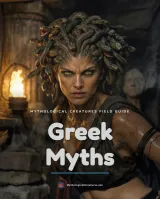
Greek Myths: A field guide to the monsters of ancient Greece
Every monster here earned its place in legend, and each gets a full page of artwork and the story behind it.
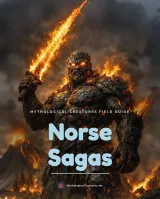
Norse Sagas: A field guide to the beasts of the Viking world
Drawn from the saga accounts themselves, with the powers, weaknesses and doom of each being set out.
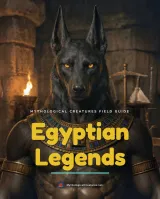
Egyptian Legends: A field guide to the gods and monsters of ancient Egypt
Guardians of the living and devourers of the dead, with the role each played in judgement.
the legend in five swipes.
Partner with Mythological Creatures
Bring your myth-based world into ours
From game settings to narrative worlds, we work with partners who treat myths with care. Share your project for a potential sponsor slot.
Partner with usQuick Creature Info
Origin:
Features:
Associations:
Our Mythic Legendary Rating:

Also Sometimes Known As:
Habitat:
Supernatural Powers:
Abilities:
Behavior:
Lore:
References
Discover Another Mythical Legend You May Not Have Heard Of?
Uncover the mysteries of ancient folklore and expand your knowledge of legendary beings from cultures around the world.
Dare to Meet the Umū dabrūtu....

The Mythological Creatures Book Series
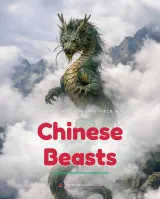
Yokai, Greek, Norse, Egyptian & Chinese. Five illustrated field guides to the creatures the old stories either warned or told you about.

Curated by the Mythological Creatures Team
Series editor: Mythological Creatures Directory
Primary desk: Hellenic & Ancient Mediterranean Desk
(rev. November 2025)