
Zār: Zār is a demon or spirit from the Horn of Africa and adjacent Middle Eastern regions, known for possessing individuals and causing discomfort.
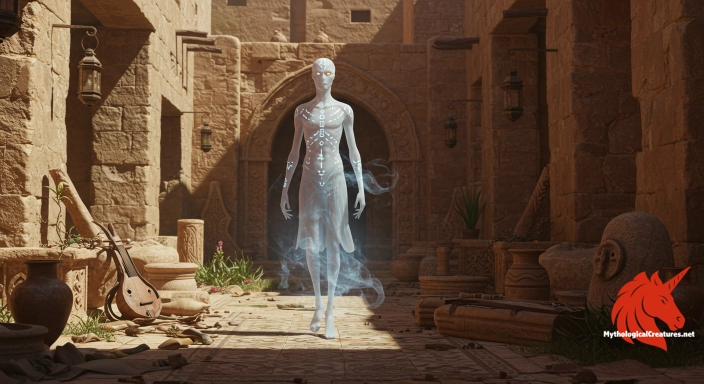
Zār
Zār - Represents both a source of affliction through possession and an integral part of cultural ritual practices aimed at healing and communal bonding.
the legend in five swipes.
the legend in five swipes.
How old is the legend of Zār?
Zār is a multifaceted phenomenon woven into the cultural tapestry of the Horn of Africa and neighbouring regions of the Middle East. Its origins are rooted in a convergence of indigenous animistic beliefs and influences from ancient trade and mysticism, which shaped its early formation. The earliest attestations of zār traditions are preserved in oral histories and early manuscripts written in both Arabic and Ge’ez. These records reveal a view of zār as a potent spiritual presence capable of possessing individuals, often manifesting in ways that cause discomfort or illness. In historical contexts, the ritual of reconciling the possessing spirit with its host helped communities navigate the uncertainties of health and wellbeing. While once the presence of zār was met with fear, it gradually evolved to incorporate elements of communal catharsis and even celebration. The dynamic interplay between vulnerability and healing apparent in its rituals underscores the profound societal importance of these practices. Over time, the zār tradition has come to embody a complex blend of supernatural, social, and gendered narratives that continue to fascinate both insiders and outsiders.
Which texts first mention Zār?
The narratives that frame the phenomenon of zār are drawn from a diverse array of folklore, oral tradition, and early textual references. Traditional accounts in Arabic and Ge’ez have offered insights into the rituals and the hierarchical structure of the zār spirits over generations. Different variants of the story offer contrasting portrayals, with some depicting zār as a strictly malevolent force and others suggesting its potential to transform suffering into healing. Oral traditions, notably those passed down by women, have played a critical role in preserving the nuances of the zār cult. Early travellers and anthropologists have documented encounters and detailed descriptions of the rituals, enhancing our understanding of its ritualistic complexity. A number of accounts highlight the elaborate ceremonies where music, dance, and symbolic instruments are integral to the experience. The printed sources, though less abundant than the oral, contribute to a patchwork of narratives that underscore the malleable nature of zār beliefs. Overall, these diverse sources create a rich mosaic that reflects both the historical depth and the evolving cultural interpretations of zār.
Zār: Size, Shape and Strange Features
Although zār as an entity is fundamentally a spirit with no fixed physical form, cultural visualisations often imbue it with suggestive features that mark its otherworldly nature. In many ritual depictions, zār is rendered as an ethereal, shifting presence that defies conventional descriptions of anatomy. In artistic renditions, one may observe ambiguous outlines, suggesting a form that flickers between visibility and invisibility. There are imaginative portrayals where the spirit is attributed with unsettling characteristics like glowing eyes or distorted features that symbolise its supernatural origin. Ritual instruments and masks, designed to invoke the spirit, frequently borrow themes from these artistic representations. The physical manifestations, when symbolically present during ceremonies, reflect the tension between the tangible body and the elusive nature of spiritual possession. Observers note that during zār rituals, the possessed individual may temporarily exhibit physical contortions or altered demeanour that hint at the spirit's influence. Such descriptions, while lyrical and varied, underscore the enduring mystery surrounding the appearance of zār. The absence of a standard iconography only serves to heighten its enigmatic allure in cultural memory.
Zār: One Legend, Many Local Versions
The interpretation and practice of zār exhibit notable variations across different regions, reflecting the local cultural milieu and spiritual heritage. In the Horn of Africa, zār rituals are deeply interwoven with traditional healing practices and ancestral veneration, often serving as a bridge between the earthly and the spiritual realms. In the adjacent Middle Eastern contexts, the practice carries additional layers of mysticism fostered through ancient Islamic and pre-Islamic influences. Urban centres, particularly in Cairo and other major cities of the Islamic world, have adapted zār into elaborate social gatherings that blend ritual with contemporary entertainment. The musical performances, dance routines, and specific instruments such as the tanbrā and manjur underscore how local traditions have infused the zār rituals with unique characteristics. In some areas, the spirit is revered and even celebrated as a vital part of cultural identity, while in others it remains a feared disruptor of personal tranquillity. This regional diversity reflects the broader human quest to interpret and manage the forces of misfortune and healing. Each adaptation of the zār tradition reveals local aesthetic sensibilities and societal norms, ensuring that the practice remains both flexible and enduring. The mosaic of regional variations thus enriches the overall legacy of zār, demonstrating its ability to transcend geographical boundaries.
Zār: Related Figures Across Cultures
The phenomenon of zār resonates with similar concepts of spirit possession found in various world mythologies and religious practices. Like the jinn of Islamic mysticism, zār embodies the dual potential for both harm and healing, serving as a bridge between the mundane and the mystical. Comparable traditions are observed in North African Voodoo practices and West African Yoruba ceremonies, where ritual dance and music are central to managing spiritual forces. The Maghreb’s Hamadsha, for example, shares with zār a ritualistic framework aimed at reconciling disruptive spirits with afflicted individuals. European folklore, with its tales of faerie possession and enigmatic sprites, also mirrors some of the ambiguity seen in zār narratives. Cross-cultural analysis reveals recurring themes of feminine vulnerability, social control, and the transformative power of ritual as communities strive to understand and influence unseen forces. The interlacing of entertainment with ritualistic purpose in both zār and its global counterparts highlights the human tendency to harness cultural performance for spiritual healing. The similarities extend to the symbolic use of music, dance, and evocative imagery across these diverse traditions, underlining a universal search for balance in the face of the supernatural. Such comparative perspectives deepen our appreciation of zār’s role as part of a broader tapestry of human spiritual experience.
Zār: Then and Now
The historical evolution of zār reflects a striking journey from a feared demonic presence to a symbol of cultural resilience and social expression. In ancient times, the manifestation of zār was primarily associated with a dreaded spirit whose influence was interpreted as the cause of personal and communal misfortune. Over the centuries, however, the ritualistic practices surrounding zār have undergone significant reinterpretation, adapting to the evolving cultural landscape. Modern depictions often blend traditional notions with contemporary artistic performance, transforming zār gatherings into vibrant communal events. In urban settings, especially among women, these rituals now serve as much for social bonding and celebration as they do for spiritual healing. The performance aspects, replete with music, dance, and symbolic artefacts, have allowed zār to occupy a dual space as both ritual and popular entertainment. This shift has been further influenced by scholarly reinterpretations and media representation, lending the practice new layers of meaning. Today, zār is frequently seen as emblematic of cultural survival, embodying the ability to transform adversity into collective strength. Its modern legacy continues to inspire not only ritual practitioners but also contemporary artists and cultural commentators, ensuring that the haunting allure of the zār remains a potent symbol in the modern imagination.
Interesting Fact
An interesting observation about Zār is its transformation in urban settings, where it has evolved from a feared possession spirit to a cultural phenomenon celebrated through communal dance and music.
Mythological Treasures
Egyptian Legends: A field guide to the gods and monsters of ancient Egypt
Guardians of the living and devourers of the dead, with the role each played in judgement.
Norse Sagas: A field guide to the beasts of the Viking world
Drawn from the saga accounts themselves, with the powers, weaknesses and doom of each being set out.
Chinese Beasts: A field guide to the dragons and demon kings of Chinese myth
From river dragons to demon kings, with the legends that shaped five thousand years of storytelling.
the legend in five swipes.
For myth educators and toolmakers
Built a resource for mythology learners?
If you offer courses, teaching tools, or research platforms focused on myth and folklore, consider a discrete placement on our reference pages.
Introduce your resourceQuick Creature Info
Our Mythic Legendary Rating:

Also Sometimes Known As:
Habitat:
Supernatural Powers:
Physical Attributes:
Abilities:
Behavior:
Lore:
Related Creatures, Tales or Lore
- JJinn
- HHamadsha
- LLoa
References
Discover Another Mythical Legend You May Not Have Heard Of?
Uncover the mysteries of ancient folklore and expand your knowledge of legendary beings from cultures around the world.
Dare to Meet the Darrhon....
The Mythological Creatures Book Series
Yokai, Greek, Norse, Egyptian & Chinese. Five illustrated field guides to the creatures the old stories either warned or told you about.
Curated by the Mythological Creatures Team
Series editor: Mythological Creatures Directory
Primary desk: African & Diaspora Traditions Desk
(rev. November 2025)