
Zaratan: The Zaratan is a colossal sea creature rooted in Arabic folklore and literature.
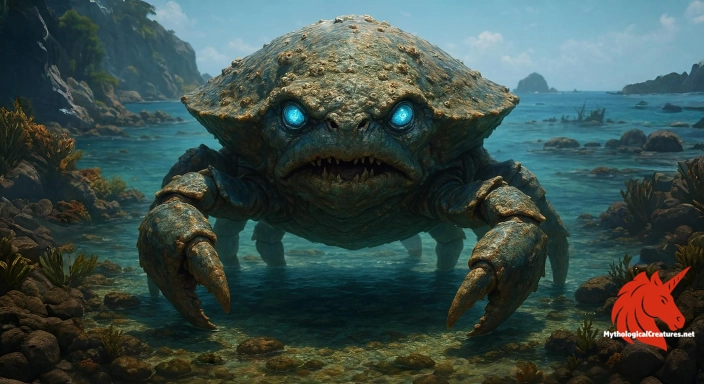
Zaratan
Zaratan - Represents the enigmatic and perilous nature of the sea in Arabic cultural narratives, often blurring the line between myth and reality.
the legend in five swipes.
the legend in five swipes.
The First Records of the Zaratan
The Zaratan is a mysterious, colossal sea creature that emerges from the rich fabric of Arabic folkloric tradition. Its name, derived from the Arabic word for 'crab', belies a form that transcends ordinary crustaceans, inviting imaginations to envision an entity of fantastical proportions. Tales from ancient mariners reveal that its legend was born during an era when the boundaries between myth and reality were fluid and ever-changing. Early narratives cast it as an emblem of the unknown depths of the ocean, a symbol of both awe and lurking peril. Its presence in these stories underscored a time when explorers interpreted the vast seas as realms of magical possibility and hidden danger. Over the years, the Zaratan evolved into a potent metaphor for nature’s inscrutable power and the mysteries that lie beneath the waves. Each retelling of its tale added layers of allegorical meaning, blending natural observation with imaginative embellishment. The enduring allure of the Zaratan continues to captivate modern audiences, serving as a reminder of the timeless interplay between human curiosity and the majesty of the sea. It remains an iconic figure whose myth reflects the profound human engagement with the forces of nature.
Where is the Zaratan written about?
Ancient manuscripts and travel chronicles are the primary vessels through which the legend of the Zaratan has been transmitted. Medieval Arabic literature preserved its image in vivid bestiaries and narrative collections that celebrated both wonder and caution on the high seas. Early accounts often portrayed the creature with detailed, imaginative descriptions that melded elements of real marine life with the extraordinary. Some texts describe the Zaratan as having a massive, island-like form that served as both a refuge and a hazard for seafarers. Over time, diverse story variants emerged as the myth was passed down orally and adapted in written traditions, leading to subtle shifts in its portrayal. Certain narratives emphasise its almost indestructible carapace, while others highlight its mysterious, fleeting appearances in the open ocean. References to the Zaratan can be found intertwined with broader themes of exploration and the fear of the unknown. These varied sources collectively offer a rich, mosaic-like view of a creature that has fascinated storytellers and adventurers across generations.
What does the Zaratan look like?
The Zaratan is often envisioned as a gargantuan creature whose physical form is both awe-inspiring and enigmatic. It is said to possess a colossal, dome-shaped carapace that resembles a naturally occurring island, merging stone-like elements with living, organic textures. The creature’s robust body hints at a hybrid anatomy, incorporating aspects of a crab’s formidable pincers with the massive solidity of a tidal landmass. Observers in the tales recount how its surface is frequently encrusted with barnacles, seaweed, and patches of moss, contributing to an appearance that blurs the line between creature and landscape. Its eyes, if present in such storied visions, are imagined to glimmer with an ancient light, as if harbouring centuries of maritime secrets. There are accounts that suggest its sheer size rivals that of a small isle, enough to mislead unwary sailors into believing they have landed on solid ground. The texture of its carapace, described as a mix of weathered rock and smooth, water-worn surfaces, further augments its mystique. Each detailed portrayal reinforces the Zaratan’s status as an embodiment of nature’s paradoxes, merging the animate with the inanimate in a display that defies conventional biological classification.
Zaratan: The Same Figure in Different Places
Across various regions, the portrayal of the Zaratan adapts to reflect local cultural nuances and environmental imaginations. In its original Arabic context, it is revered not merely as a monstrous beast but as a symbol of the ocean’s capricious and mysterious character. North African renditions sometimes imbue the creature with mystical properties, suggesting that portions of its vast shell may possess healing or protective powers. In parts of the Iberian Peninsula, the legend blends with local maritime superstitions, where the Zaratan is sometimes depicted as a deceptive trickster that lures unsuspecting mariners. European medieval bestiaries, influenced by cross-cultural exchanges, often conflate its identity with other giant sea entities, thereby accentuating its ambiguous nature. Coastal communities in the eastern Mediterranean weave the creature into local allegories, associating its immense form with divine messages and cosmic balance. Such regional variations underscore how the Zaratan serves as a cultural mirror, reflecting prevailing attitudes toward the sea within each community. These diverse iterations not only enrich the overall myth but also demonstrate the fluid adaptability of folklore as it moves across borders and generations.
Zaratan: Parallels in Other Cultures
The myth of the Zaratan resonates with similar legendary sea creatures found in diverse cultural traditions. It has been compared to the colossal kraken of Scandinavian lore and the mystical island-turtles of East Asian mythology, each serving as a symbol of the vast, untameable ocean. Such comparisons reveal a universal human impulse to personify the awe-inspiring and sometimes terrifying aspects of nature. Like its counterparts in other cultures, the Zaratan embodies the liminal space where water meets land, challenging the familiar boundaries of the world. These cross-cultural parallels highlight recurring themes of nature’s capacity to both nurture and devastate, a duality that captivates the human imagination. In European bestiaries, creatures of comparable size and mystery often assume roles that caution against the folly of human exploration, much like the Zaratan does in Arabic accounts. The striking similarities among these myths suggest that our ancestors found common ground in the wonder and dread inspired by the sea. Ultimately, the Zaratan stands as a testament to the shared narrative heritage that spans continents, reminding us that myth and nature are inextricably linked in the collective human experience.
Zaratan: From Folklore to Pop Culture
The evolution of the Zaratan myth mirrors the changing tides of human understanding and the perennial fascination with the unknown. In medieval times, its image served as a powerful allegory for the perils and mysteries of uncharted waters, reflecting both the fragility and formidable strength of nature. As maritime exploration advanced, the legend of the Zaratan absorbed new layers of symbolism, becoming a bridge between ancient superstition and emerging scientific thought. Modern fantasy literature and art have revived its storied form, often depicting the creature as a living island imbued with timeless wisdom and enigmatic power. Contemporary portrayals tend to blend traditional features with imaginative reinterpretations, ensuring that the Zaratan remains both an object of wonder and a cautionary emblem. Its reimagined legacy has also found resonance in discussions about environmental conservation, symbolising nature’s resilience in the face of human intrusion. Digital media and role-playing games now incorporate the Zaratan as a central motif, celebrating its enduring mystique in a modern context. This ongoing cultural dialogue highlights how myths adapt and survive, continually inspiring fresh perspectives on ancient narratives. Even today, the Zaratan endures as a timeless figure, bridging the expansive gap between mythic history and modern creativity.
Interesting Fact
Interestingly, some tales suggest that the Zaratan’s vast, rugged back could serve as a temporary refuge for stranded sailors, blurring the lines between danger and sanctuary in the marine wilderness.
Mythological Treasures
Chinese Beasts: A field guide to the dragons and demon kings of Chinese myth
From river dragons to demon kings, with the legends that shaped five thousand years of storytelling.
Japanese Yokai: A field guide to the spirits and demons of Japanese folklore
Fifteen spirits, with the signs to watch for and what the old tales say to do if you meet one.
Greek Myths: A field guide to the monsters of ancient Greece
Every monster here earned its place in legend, and each gets a full page of artwork and the story behind it.
the legend in five swipes.
For serious myth projects
Feature your work alongside the legends
From academic works to story-rich games, we highlight projects that respect world mythologies. Talk to us about a measured, long-term placement.
Start a conversationQuick Creature Info
Origin:
Features:
Associations:
Our Mythic Legendary Rating:

Also Sometimes Known As:
Habitat:
Supernatural Powers:
Physical Attributes:
Abilities:
Behavior:
Lore:
Related Creatures, Tales or Lore
References
Discover Another Mythical Legend You May Not Have Heard Of?
Uncover the mysteries of ancient folklore and expand your knowledge of legendary beings from cultures around the world.
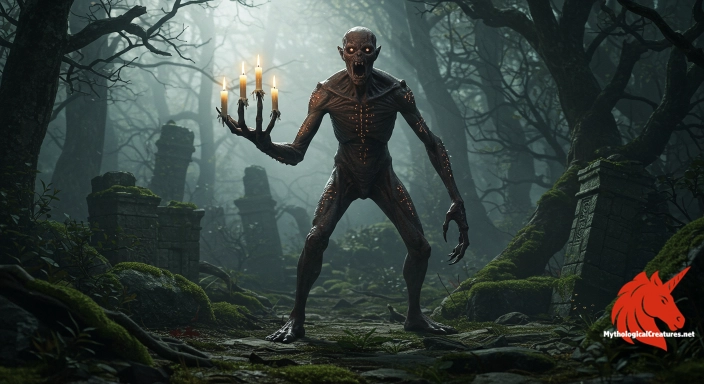
Dare to Meet the Yan-gant-y-tan....
The Mythological Creatures Book Series
Yokai, Greek, Norse, Egyptian & Chinese. Five illustrated field guides to the creatures the old stories either warned or told you about.

Curated by the Mythological Creatures Team
Series editor: Mythological Creatures Directory
Primary desk: Hellenic & Ancient Mediterranean Desk
(rev. November 2025)