
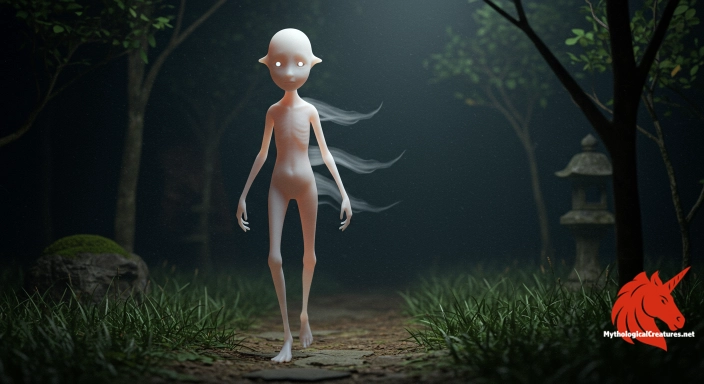
Betobeto-san: Betobeto-san is a mysterious Japanese yōkai known for silently following night-time travelers.
Betobeto-san
Betobeto-san - Betobeto-san represents the enigmatic nature of nocturnal journeys and highlights cultural cautions regarding night-time travel.
the legend in five swipes.
the legend in five swipes.
Betobeto-san: Origins and First Sightings
Betobeto-san is a mysterious entity from Japanese folklore, a distinctive yōkai known for quietly following travellers under the cloak of night. It originated from the whispered tales of rural Japan, where solitary wanderers first encountered its subtle presence along darkened paths. Its earliest attestation can be traced to small communities around Uda-gun in Nara, later gaining prominence in regions such as Shizuoka. This yōkai emerged from local narratives that blended everyday experiences with the ethereal, allowing it to embody both comfort and trepidation. Its encounters were often recounted during communal gatherings, where the boundaries between the natural and the supernatural blurred. With each retelling, Betobeto-san became a symbol of the unknown lurking just beyond the reach of light. By appearing on lonely roads at night, it served as a living metaphor for the fine line between safe passage and unforeseen mystery. The creature’s role in folklore reflects a broader cultural respect for the unseen forces that govern nocturnal life. Over time, Betobeto-san has grown into an emblematic figure, inviting reflection on the interplay between human vulnerability and the enigmatic spirit world.
Betobeto-san: How the Tale Was Told and Retold
Historical accounts of Betobeto-san emerge from a blend of written records and vibrant oral tradition, though detailed manuscripts remain scarce. Local chronicles from the Edo period include fleeting mentions of this elusive follower, contributing to its mythic reputation. Storytellers in regions such as Uda-gun and Shizuoka have passed down variants of its tale, each adding unique nuances to its character. Some narratives portray the yōkai as a gentle companion on dark roads, while others hint at a more complex, possibly forewarning, presence. The spread of Betobeto-san’s legend owes much to the informal exchange of ghost stories in village tea houses and inns. Collectors of folklore have recorded these accounts to preserve the diverse interpretations of its nature. This multifaceted heritage intertwines direct observations with anecdotal artefacts, illustrating the adaptability of myth. The creature’s appearance often coincides with significant seasonal changes, further anchoring its story in the cyclical rhythms of nature. Variations in the narrative underscore the importance of local context in the preservation and transformation of supernatural lore. Even in the absence of extensive literary sources, the enduring oral tradition paints a rich tapestry of Betobeto-san’s enigmatic presence.
Betobeto-san: What Manner of Being?
Descriptions of Betobeto-san’s form are as elusive as the night itself, offering few consistent details yet leaving a lasting impression. It is frequently perceived as a shadowy silhouette that flits at the edges of one’s vision rather than a clearly defined figure. Some accounts suggest a faint outline resembling a small, human-like form that mirrors the movements of those it follows. Its presence is sometimes marked by a pair of subtle, luminous eyes that briefly catch the light of passing lanterns. The transient figure appears to shift and merge with the ambient darkness, making its physical definition a matter of perception. In certain depictions, the creature is rendered with an almost ethereal quality, as though composed of vapour or night mist. Artists and storytellers alike have embraced its indeterminate form, reinforcing the idea of an ever-changing spirit. Fluctuations in size and detail further add to its mythological depth, with some suggesting it grows more distinct as the moon reaches its zenith. This mutable physicality reinforces the message that Betobeto-san exists as much in the realm of imagination as it does in any physical form. Its elusive appearance is a deliberate mystery, inviting each observer to create their own interpretation of this nocturnal companion.
What do different regions call Betobeto-san?
The lore of Betobeto-san is richly interwoven with regional characteristics that highlight its adaptability in the collective imagination of Japan. In Uda-gun, Nara, local tradition teaches that encountering this yōkai on a dark night road is an event filled with both strangely reassuring and cautioned overtones. Here, its presence is often seen as a benign, albeit eerie, guide for solitary travellers. Conversely, in Shizuoka, the creature is most often encountered by those returning from ascending or descending small mountains, adding an element of natural transition to its narrative. The differences in these accounts illustrate how geographical context influences the interpretation of supernatural signs. In some areas, its appearance is considered a subtle omen of guidance, while in others, it is viewed as a spirit testing the resolve of those daring enough to travel alone. Local festivals and communal storytelling sessions have helped preserve these regional nuances over generations. Each version of the legend reflects the interplay between human experience and the natural environment, forging a unique local identity for Betobeto-san. The regional diversity in its portrayal underlines the pivotal role of community and landscape in shaping mythical narratives. Through these varied lenses, Betobeto-san remains a universal symbol of the unexpected connections one finds in the solitude of the night.
Do other traditions know Betobeto-san by another name?
When viewed alongside similar figures from global folklore, Betobeto-san reveals a striking commonality with other nocturnal entities that bridge the gap between the natural and supernatural. Like the elusive shadow beings reported in various cultures, it embodies the universal motif of an unseen presence that follows travellers through darkness. In Europe, the phenomenon of the will-o’-the-wisp shares a kinship with Betobeto-san, both serving as mysterious guides that lead wanderers into realms of uncertainty. East Asian mythologies offer analogous spirits who escort or challenge those on solitary journeys, highlighting a widespread human concern with the unknown. These cross-cultural parallels underscore the idea that such entities often symbolise the interplay of caution and comfort in moments of isolation. The shared characteristics, such as transient forms and ambiguous intentions, reveal a common psychological narrative that transcends geographic boundaries. Comparative folklore suggests that these figures are not merely harbingers of doom but also embodiments of nature’s enigmatic beauty. By drawing on various mythological traditions, one can see Betobeto-san as part of a broader tapestry that celebrates the interplay between fear and fascination. This confluence of ideas across cultures enriches the understanding of how human beings have long sought to personify the unseen. Ultimately, these comparative studies highlight the enduring allure of the supernatural in narrating the mysteries of human existence.
Why does Betobeto-san still matter?
Over successive generations, the story of Betobeto-san has evolved while retaining its essential aura of quiet mystery. Once confined to the oral traditions of remote rural areas, its legend has been revitalised through modern interpretation in literature, film, and art. Contemporary portrayals often imbue the creature with a nuanced role, transforming it from a mere spectral follower into a symbolic guide through times of solitude. This shift reflects broader trends in Japanese cultural expression, where ancient myth is reimagined to resonate with modern sensibilities. In popular media, Betobeto-san sometimes appears as an enigmatic character in manga and anime, inviting a new audience to engage with traditional folklore. The yōkai’s gentle yet elusive nature has made it a favourite subject at local festivals and in ghost story gatherings, ensuring its continued relevance in community traditions. Adaptations of its myth have introduced varied interpretations, from cautionary reminders about the paths we tread to metaphors for inner reflection during dark times. The evolution of Betobeto-san’s depiction illustrates how myths serve as living entities that adapt to societal changes while preserving a connection to their roots. Today, its legacy is a testament to the enduring power of storytelling in bridging the gap between the ancient and the modern. As a cultural icon, Betobeto-san continues to inspire curiosity, offering both a nostalgic glimpse of Japan’s past and a symbol of the mystery that persists in the human spirit.
Interesting Fact
Interestingly, despite the unease its silent pursuit can evoke, Betobeto-san is not inherently harmful, highlighting the nuanced roles many Japanese yōkai play as both omens and benign presences.
Mythological Treasures
Japanese Yokai: A field guide to the spirits and demons of Japanese folklore
Fifteen spirits, with the signs to watch for and what the old tales say to do if you meet one.
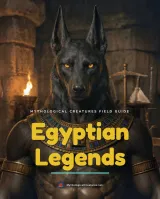
Egyptian Legends: A field guide to the gods and monsters of ancient Egypt
Guardians of the living and devourers of the dead, with the role each played in judgement.
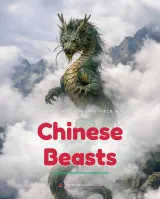
Chinese Beasts: A field guide to the dragons and demon kings of Chinese myth
From river dragons to demon kings, with the legends that shaped five thousand years of storytelling.
the legend in five swipes.
For serious mythcraft
Your project belongs among the legends
If your work deepens how people understand, play with, or teach mythology, a sponsor placement here keeps it in front of the right readers all year.
Submit a sponsorship enquiryQuick Creature Info
Features:
Our Mythic Legendary Rating:

Also Sometimes Known As:
Habitat:
Supernatural Powers:
Physical Attributes:
Abilities:
Behavior:
Lore:
Related Creatures, Tales or Lore
- NNoppera-bō
- IIttan-momen
- KKarakasa-obake
References
Discover Another Mythical Legend You May Not Have Heard Of?
Uncover the mysteries of ancient folklore and expand your knowledge of legendary beings from cultures around the world.
Dare to Meet the Taoroinai....
The Mythological Creatures Book Series
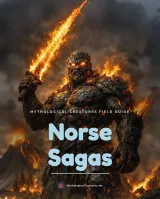
Yokai, Greek, Norse, Egyptian & Chinese. Five illustrated field guides to the creatures the old stories either warned or told you about.
Curated by the Mythological Creatures Team
Series editor: Mythological Creatures Directory
Primary desk: Asian & Pacific Myth Cycles Desk
(rev. November 2025)