
Damu: Damu is an ancient Mesopotamian deity originally linked to vegetation decay and rebirth, later revered as a god of healing.
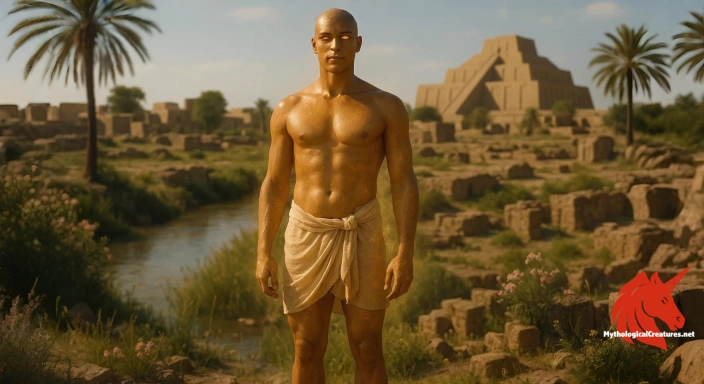
Damu
Damu - Represents the fusion of death, regeneration, and healing, integral to Mesopotamian religious practices.
the legend in five swipes.
the legend in five swipes.
Damu: How the Story Began
Emerging from the rich tapestry of ancient Mesopotamia, Damu is a deity whose myth intricately weaves the themes of decay, rebirth, and healing. His early portrayals centre on the transient nature of vegetation, presenting him as a dying god whose seasonal demise symbolised the natural cycle of life and death. Over time, however, his narrative evolved to encompass the restorative power of medicine, marking his transformation into a healer. The legend of Damu is interlaced with familial divinity, being regarded as the son of Ninisina or her equivalents, which deepened his association with curative rituals. His worship was closely tied to the cultic centre of Isin, where the interplay between nature’s decline and renewal was commemorated through elaborate rites. Ancient inscriptions and myths reveal him as a figure of both sorrow and hope, embodying the inevitability of loss and the promise of regeneration. The dual aspects of his persona capture the delicate balance between mortality and recovery in a society that revered the natural cycles. Ultimately, Damu stands as an enduring symbol of transformation, echoing the ever-present rhythms of the earth and community life.
What are the earliest texts about Damu?
Early cuneiform texts and temple hymns furnish the most valuable insights into the myth of Damu, despite the fragmented nature of these ancient records. Ritual inscriptions discovered in Mesopotamian sanctuaries highlight his dual role as both a symbol of seasonal decline and a bearer of healing virtues. Various clay tablets offer different narrative strands, with some versions emphasising his connection to the agricultural calendar and others focusing on his therapeutic powers. The liturgical records from the cultic centre of Isin provide compelling evidence of a deity who bridges the domains of life’s inevitable decay and its subsequent renewal. In some texts, Damu is mentioned alongside figures such as Dumuzi and Ningishzida, indicating common thematic elements of dying and revived deities. Additionally, the theophoric use of his name in personal inscriptions from Ebla suggests that his essence transcended regional boundaries. These multiple story variants illustrate a shifting religious perspective, reflective of both local and broader cultural influences. Despite the partial nature of the surviving sources, the enduring motifs found in these records have left an indelible mark on our understanding of early Mesopotamian spirituality.
What abilities did Damu have?
Artistic depictions of Damu, though scarce, invite contemplation of a figure whose physical form symbolically captures the tension between life’s fragility and its restorative potential. He is often rendered as a youthful deity, embodying both the ephemeral qualities of nature and the promise of rejuvenation. In surviving reliefs and cylinder seals, his countenance typically exudes a serene composure that hints at inner healing and quiet strength. His attire is commonly adorned with intricate decorative patterns that evoke images of sprouting vegetation and the cycles of the seasons. Delicate motifs, possibly representing medicinal herbs or natural fertility, are sometimes incorporated into his garments, further underscoring his dual role. Despite the limited surviving iconography, the artistic style shifts from early abstract forms to later, more naturalistic portrayals. These visual interpretations, though fragmentary, convey a deity who embodies both the sorrow of decay and the optimism of healing. Consequently, the physical imagery of Damu has come to symbolise the complex interplay between nature’s inevitable decline and its capacity for renewal.
Damu: The Same Figure in Different Places
Across the diverse landscape of ancient Mesopotamia, the interpretation of Damu’s character adapted to local religious practices and community needs. In the city of Isin, where his mother’s cult held great prominence, Damu was revered primarily as a divine healer closely connected to therapeutic rites. Elsewhere, particularly in regions like Ebla, his name appears as a significant element in personal and communal identities, sometimes suggesting a deified kinship group rather than a standalone deity. The regional diversity in his worship reveals the fluidity with which ancient societies reinterpreted key mythological figures. Local festival practices and seasonal celebrations often incorporated his themes, underscoring the interplay between agricultural cycles and divine intervention. Variations in local art and ritual texts emphasize different aspects of his myth—from the sorrows of a decaying environment to the hopes of renewal and healing. This adaptability allowed Damu’s narrative to resonate with diverse communities, each drawing from his story to elucidate their own experiences with nature and medicine. In sum, the regional variations in his depiction reflect a broader cultural adaptability that has sustained his legacy over millennia.
How does Damu compare to figures in other traditions?
Damu’s mythological themes resonate with a universal narrative that spans many ancient cultures and traditions. His depiction as a dying yet revivable deity shares compelling parallels with figures such as Dumuzi in Mesopotamian lore, both of whom symbolise the cyclical nature of life and agriculture. Similar motifs are evident in the Egyptian myth of Osiris, where death is inextricably linked to the promise of rebirth and regeneration. Greek traditions, too, offer echoes of this paradigm through the stories of Adonis and Attis, deities who embody the perennial cycle of decay and revival. Such cross-cultural similarities underscore the shared human fascination with the rhythms of the natural world and the inherent optimism of renewal. Damu, in his evolution from a sorrowful god to a benevolent healer, reflects these enduring principles and bridges diverse mythological traditions. His enduring narrative invites comparison with other deities whose stories serve to reconcile the contradictory forces of mortality and vitality. Through these comparative lenses, the story of Damu emerges as a richly layered symbol, integral to understanding broader ancient cosmologies.
Where does Damu appear in films and games?
The transformation of Damu’s myth over time mirrors the evolving religious and cultural landscape of ancient Mesopotamia. Initially venerated as a symbol of the transient nature of vegetation, his narrative gradually absorbed the virtues of healing and restoration. This metamorphosis is indicative of broader shifts in societal needs and the reinterpretation of divine roles in response to changing circumstances. As communities increasingly sought divine intervention for healing and well-being, Damu’s image evolved to embody both loss and benevolence. His legacy has persisted in modern scholarship, where he is now seen as an emblem of cyclical regeneration and the eternal balance between decline and renewal. Contemporary interpretations often highlight his dual aspects, drawing parallels with both ancient agricultural cycles and modern concepts of holistic healing. The rediscovery of his story in academic circles and museum exhibitions has sparked renewed interest in the intricate interplay between death and rejuvenation. Today, Damu continues to inspire not only studies in ancient religion but also artistic and cultural expressions that celebrate the enduring power of transformation.
Interesting Fact
An interesting aspect of Damu’s legacy is his dual identity, as he transitioned from a dying god associated with vegetation to a revered deity of healing, reflecting the complex interplay of life, death, and rebirth in ancient mythology.
Mythological Treasures
Norse Sagas: A field guide to the beasts of the Viking world
Drawn from the saga accounts themselves, with the powers, weaknesses and doom of each being set out.
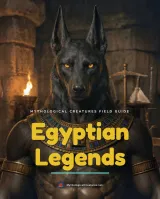
Egyptian Legends: A field guide to the gods and monsters of ancient Egypt
Guardians of the living and devourers of the dead, with the role each played in judgement.
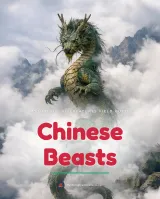
Chinese Beasts: A field guide to the dragons and demon kings of Chinese myth
From river dragons to demon kings, with the legends that shaped five thousand years of storytelling.
the legend in five swipes.
For serious myth projects
Feature your work alongside the legends
From academic works to story-rich games, we highlight projects that respect world mythologies. Talk to us about a measured, long-term placement.
Start a conversationQuick Creature Info
Origin:
Associations:
Our Mythic Legendary Rating:

Habitat:
Supernatural Powers:
Physical Attributes:
Abilities:
Behavior:
Lore:
Related Creatures, Tales or Lore
- DDumuzi
- NNingishzida
- AAttis
References
Discover Another Mythical Legend You May Not Have Heard Of?
Uncover the mysteries of ancient folklore and expand your knowledge of legendary beings from cultures around the world.
Dare to Meet the Daidarabotchi....
The Mythological Creatures Book Series
Yōkai, Greek, Norse, Egyptian & Chinese. Five illustrated field guides to the creatures the old stories either warned or told you about.

Curated by the Mythological Creatures Team
Series editor: Mythological Creatures Directory
Primary desk: Hellenic & Ancient Mediterranean Desk
(rev. November 2025)