
Matagot: The Matagot is a spirit from French folklore that typically appears in the form of a black cat, though it may also manifest as a rat, fox, dog, or cow.
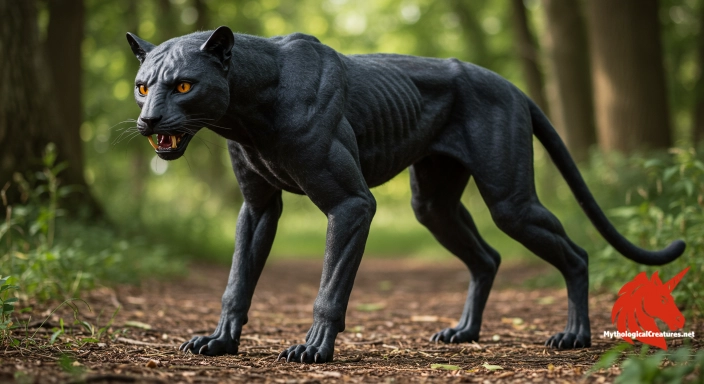
Matagot
Matagot - Embodies the duality of fortune and misfortune, offering riches under strict conditions while imposing a curse if neglected
the legend in five swipes.
the legend in five swipes.
Where does the story of the Matagot begin?
In the French oral tradition, the matagot emerges as a fascinating and enigmatic spirit manifesting primarily in the form of a sleek black cat, though it occasionally appears as other animals such as a fox, rat, dog, or even a cow. Its origins are woven into the tapestry of rural folklore, where storytellers have passed down vivid accounts spanning generations. The creature’s dual nature is a source of both caution and wonder, reflecting an intricate balance between malevolence and unexpected benevolence. Early attestations of the matagot highlight its role as both a harbinger of doom and a secret bearer of fortune, depending on the care it receives. Tales assert that a well-treated matagot rewards its owner with a daily gift of a solid gold coin, adding to its mystique. This multifaceted character was absorbed into everyday life, symbolising the unpredictable interplay between fate and fortune. Local customs and rituals further elevated its significance, blending superstition with tangible rewards. The lore surrounding the matagot is rich with symbolic acts—such as luring it with a plump chicken and the imperative of never looking back once it is welcomed into a home. Its presence in the folklore encapsulates the tensions between hope and peril, inviting reflection on the costs and gifts of venturing into the supernatural. Ultimately, the matagot remains a compelling emblem of French myth, embodying mystery, caution, and the allure of the unknown.
Which texts first mention the Matagot?
The narrative of the matagot is primarily preserved through the vibrant oral traditions of rural France, where village elders and local storytellers recounted its uncanny adventures. Though documentation in formal manuscripts is sparse, the creature’s myth has survived through an array of diverse, regionally variant tales. Many of these stories introduce the matagot in the guise of a black cat, while others describe it as a fox, rat, or even a cow, each iteration carrying its own special rituals and warnings. In several accounts rooted in Gascony, the creature is portrayed not solely as a maleficent spirit, but as a potential benefactor who brings wealth into the home if treated with proper respect. A recurring element in these tales is the ritual of luring the creature with a fresh, plump chicken, underscoring the delicate conditions that govern its favour. In alternative versions of the myth, strict instructions dictate that once the creature is carried home, the owner must not look back, highlighting a critical moment of supernatural transition. The myriad variants offered by local oral accounts reflect how the matagot has been adapted according to regional beliefs and practices. Each rendition adds layers to its character, emphasising themes of reciprocity, fate, and the thin line between luck and misfortune. The diversity and richness of these traditions demonstrate the adaptability of folklore, allowing the matagot’s legend to evolve while retaining its central enigmatic charm. Overall, these oral narratives continue to serve as a vital conduit through which the creature’s myth is transmitted and reinterpreted by successive generations.
Matagot: Physical Form and Supernatural Powers
The matagot is most commonly envisioned as a sleek, black-furred feline with eyes that shimmer with an otherworldly glint. Its form exudes an air of mystery, as if it were sculpted from the very shadows that linger at the edge of twilight. In many depictions, its lithe and agile build suggests a creature capable of swift, almost spectral movements that defy natural boundaries. Alternate portrayals transform the creature into a fox, rat, dog, or even a cow, each form imbued with unique anatomical features that blend the ordinary with the supernatural. When appearing as a cat, observers recount an almost luminescent coat and piercing eyes that seem to hold ancient secrets. The texture of its fur, the subtle twitch of its tail, and even the faint sound of its purr contribute to an eerie yet captivating presence. In some traditions, the matagot’s physical form is described as mutable, shifting seamlessly between various animal shapes. Such variability not only enhances its mystique but also serves as a metaphor for its dual nature in folklore. The ever-changing appearance of the creature challenges the boundaries of the natural world, reinforcing its status as a true supernatural enigma. In essence, every physical manifestation of the matagot—whether as a graceful feline or another animal form—evokes a sense of the uncanny and the mysterious.
The Geography of the Matagot Legend
Across the varied landscapes of France, the depiction of the matagot shifts subtly to align with local customs and cultural paradigms. In regions such as Gascony, the creature is often regarded as a kind of magical benefactor whose proper treatment can bestow unexpected wealth upon a household. In contrast, other areas emphasise its more ominous traits, portraying it as an embodiment of misfortune and a portent of dire consequences if not correctly managed. Local customs dictate specific rituals, such as enticing the creature with a plump chicken and carrying it home without a backward glance, which are imbued with different meanings depending on the regional context. These regional narratives reveal a fascinating interplay between superstition and the practical realities of rural life, where every omen carries both potential reward and risk. While some communities celebrate the matagot as a charm against hard times, others caution that retaining the creature for too long may invite a prolonged period of suffering, especially when faced with impending death. This regional diversity reflects the broader human tendency to tailor mythological figures to the unique social and cultural landscapes they inhabit. Variations in the creature’s appearance, from an ethereal feline to a more rugged animal form, further illustrate how local belief systems shape its identity. The regional adaptations of the matagot myth not only preserve ancient customs but also allow for continual reinterpretation in light of changing social attitudes. Thus, the creature serves as both a mirror and a mediator of local folklore across the French countryside.
Which myths echo the story of the Matagot?
The attributes of the matagot find intriguing parallels with a host of supernatural animal figures found throughout world folklore. Much like the familiar spirits historically associated with witches in various European traditions, this creature embodies a duality that can bring either fortune or misfortune. Its reputation for rewarding care with a tangible token of wealth is reminiscent of similar motifs found in legends of magical cats in British and Irish folklore. In broader comparative terms, the matagot shares qualities with shapeshifters and changelings, creatures that embody the fluid boundary between the natural and the supernatural. The notion of a creature that demands specific rituals for the transfer of fortune also resonates with practices observed in other magical traditions, where the interplay of human action and occult power is vital. Intriguingly, the animal’s ability to assume various forms is akin to the transformative qualities celebrated in many mythologies, reinforcing its role as a mediator of fate. This thematic overlap extends to legends such as the nekomata in Japanese lore, where certain cats are endowed with mystical, sometimes perilous, powers. The comparative analysis highlights a universal fascination with animal spirits that occupy a liminal realm between mundane existence and otherworldly influence. These cross-cultural connections underscore the widespread human desire to personalise the abstract forces governing luck and destiny. In this way, the matagot not only enriches French folklore but also contributes to a broader narrative shared by diverse cultural traditions around the globe.
Why does the Matagot still matter?
Over the centuries, the portrayal of the matagot has evolved from a cautionary folkloric figure to an emblem of both mystical charm and complex moral symbolism. Early accounts steeped in rural superstition have gradually been reinterpreted in modern literature and popular culture, imbuing the creature with fresh layers of meaning. Traditional rituals involving its care—such as feeding it the first morsel of every meal—have given way to more imaginative reimaginings in fantasy novels and role-playing games. The evolution of the matagot’s image reflects a broader shift in the perception of mythological beings, where the boundaries between benevolence and malevolence are seen as fluid and multifaceted. Contemporary depictions often celebrate its dual nature, portraying it as a curious guardian whose gifts are as much a blessing as they are a test of human responsibility. In artistic circles, the creature is frequently admired for its enigmatic beauty and the symbolic interplay between wealth and the supernatural. Modern storytellers and visual artists continue to draw inspiration from the traditional lore, infusing the matagot with renewed vitality in a digital and globalised cultural landscape. The enduring legacy of the creature lies in its ability to mirror the human condition—the perpetual tension between hope and trepidation in the face of the unknown. Today, the matagot stands as a bridge between ancient folklore and modern myth, symbolising both a connection to an ancestral past and an invitation to explore the realms of imaginative possibility. Its evolving narrative remains a testament to the timeless allure of the mysterious and the magical.
Interesting Fact
The ritual of not looking back when bringing the Matagot home symbolizes a profound commitment to the magical pact, emphasizing the delicate balance between fortune and curse in French tradition.
Mythological Treasures
Norse Sagas: A field guide to the beasts of the Viking world
Drawn from the saga accounts themselves, with the powers, weaknesses and doom of each being set out.
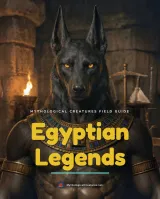
Egyptian Legends: A field guide to the gods and monsters of ancient Egypt
Guardians of the living and devourers of the dead, with the role each played in judgement.
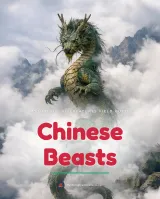
Chinese Beasts: A field guide to the dragons and demon kings of Chinese myth
From river dragons to demon kings, with the legends that shaped five thousand years of storytelling.
the legend in five swipes.
For myth educators and toolmakers
Built a resource for mythology learners?
If you offer courses, teaching tools, or research platforms focused on myth and folklore, consider a discrete placement on our reference pages.
Introduce your resourceQuick Creature Info
Associations:
Our Mythic Legendary Rating:

Also Sometimes Known As:
Habitat:
Supernatural Powers:
Physical Attributes:
Abilities:
Behavior:
Weaknesses:
Lore:
References
Discover Another Mythical Legend You May Not Have Heard Of?
Uncover the mysteries of ancient folklore and expand your knowledge of legendary beings from cultures around the world.
Dare to Meet the Vassago....
The Mythological Creatures Book Series
Yōkai, Greek, Norse, Egyptian & Chinese. Five illustrated field guides to the creatures the old stories either warned or told you about.

Curated by the Mythological Creatures Team
Series editor: Mythological Creatures Directory
Primary desk: Hellenic & Ancient Mediterranean Desk
(rev. November 2025)